


Title: Ukrainian Drones Target Russian Naval Assets in Sevastopol
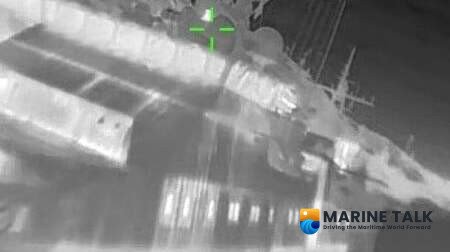
On Saturday, Ukraine‘s armed forces executed a series of drone strikes against the naval harbor at Sevastopol. These operations successfully impacted two Russian patrol ships and a Russian maritime patrol aircraft. The strikes represent a renewed focus on the strategically vital Black Sea port.
Details of the Operation
The recent attacks specifically targeted key Russian military assets stationed within the Sevastopol harbor. Ukrainian forces employed drones to engage both surface vessels and an aerial platform, demonstrating a multi-faceted approach to their offensive actions.
Ukrainian forces launched drone strikes on Sevastopol harbor, damaging two Russian patrol ships and a maritime patrol aircraft. These attacks underscore the strategic importance of the Black Sea port and the evolving role of drone warfare in targeting key Russian naval assets and challenging their operational control in the region.
Naval Vessels Hit
Two Russian patrol ships sustained damage during the Saturday strikes. Patrol ships are typically integral to coastal defense, surveillance, and interdiction operations, playing a role in safeguarding maritime borders and conducting reconnaissance. Their disruption can impact local naval capabilities.
Aerial Target
In addition to the naval vessels, a Russian maritime patrol aircraft was also hit. Maritime patrol aircraft are crucial for long-range surveillance over water, anti-submarine warfare, and intelligence gathering, providing vital aerial reconnaissance support to naval operations.
Strategic Significance of Sevastopol
Sevastopol, located on the Crimean Peninsula, holds immense strategic importance as a primary base for Russia‘s Black Sea Fleet. Its deep-water port facilities and geographical position make it a critical hub for naval power projection in the region. Attacks on this location aim to challenge Russian control and operational capacity.
Context of Drone Warfare
The employment of drones in these strikes underscores their evolving role in modern conflict. Both uncrewed surface vessels and aerial drones have become significant tools for surveillance, reconnaissance, and direct engagement, offering a relatively low-cost method for targeting high-value assets. This method allows for precision strikes against fortified positions.







Leave a Comment