


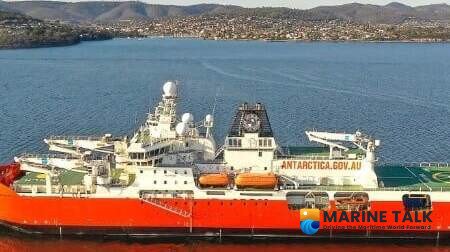
The Australian Transport Safety Bureau (ATSB) has identified a key factor in the recent brief grounding of the research vessel Nuyina. A decision to switch off its navigational echo sounders directly contributed to the incident. This aimed to prevent interference with scientific instruments.
The Nuyina Incident and Initial Findings
The Antarctic research and supply vessel Nuyina briefly grounded. Initial ATSB findings highlight a link between operational choices and the incident. The ongoing investigation seeks to understand the full sequence of events.
Critical Role of Navigational Echo Sounders
Navigational echo sounders are essential for maritime safety. These devices measure water depth, providing real-time data to navigators. Mariners rely on this information to avoid shallow areas and obstacles. Disabling them removes a fundamental safety layer.
The research vessel Nuyina briefly grounded after its navigational echo sounders were intentionally switched off to prevent interference with scientific instruments. The ATSB investigation highlights a critical dilemma between conducting effective research and maintaining maritime safety. This incident underscores the paramount importance of robust risk assessments and ensuring uninterrupted access to vital navigational data.
Balancing Science and Safety
Research vessels like Nuyina carry specialized scientific equipment. This instrumentation can be susceptible to interference from other ship systems. The identified decision reveals a challenging dilemma: conducting research effectively while maintaining navigational safety. Operators often face these competing demands.
ATSB’s Investigation Process
Australia’s ATSB conducts independent inquiries into marine accidents. Its role focuses on identifying safety factors and issuing recommendations. The Nuyina investigation will examine procedures, crew decisions, and environmental factors. The aim is to prevent future occurrences.
Implications for Maritime Safety
This incident offers insights for the global maritime community, especially specialized vessel operators. It reinforces the need for robust risk assessments and clear protocols when operational conflicts arise. Ensuring uninterrupted access to critical navigational data remains paramount. Safety must always take precedence.





Leave a Comment