


The maritime sector is currently undergoing a profound digital transformation, fundamentally reshaping its operations. This ongoing evolution presents a dual landscape for the industry, offering significant opportunities while also introducing new responsibilities. A key aspect of this shift involves the industry’s strategic move from relying on individual digital tools to implementing comprehensive, integrated systems across its operations.

The Maritime Digital Evolution
Digitalization fundamentally reshapes how the maritime industry functions. This transformation impacts every facet of operations, from navigation and logistics to maintenance and communication. The sector experiences continuous digital evolution, adapting to new technologies and methodologies.
This ongoing change signifies more than just adopting new technology. It represents a fundamental rethinking of operational paradigms. The industry constantly seeks ways to leverage digital advancements for greater efficiency and effectiveness.
Navigating Opportunities and Responsibilities
The digital transformation introduces numerous opportunities for the maritime sector. These advancements can enhance operational efficiency, improve safety protocols, and optimize resource management. New digital tools offer pathways to streamline complex processes.
However, this evolution also brings new responsibilities. The industry must address challenges related to data security, technological infrastructure, and workforce training. Ensuring responsible implementation and ethical use of digital technologies becomes paramount.
Shift Towards Integrated Systems
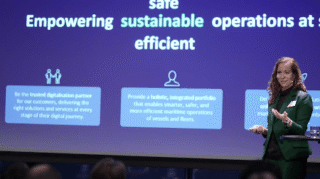
A crucial element of the maritime industry’s digital journey involves a strategic shift. The sector is moving away from disparate, standalone digital tools. Instead, it now focuses on developing and implementing comprehensive, integrated systems.
The maritime sector is undergoing a profound digital transformation, shifting from standalone tools to integrated systems. This evolution offers opportunities for enhanced efficiency, safety, and resource management, alongside responsibilities for data security and workforce training, aiming to redefine operational excellence.
Beyond Individual Tools
Historically, various digital solutions often operated in isolation. These individual tools might address specific needs, but lacked seamless communication. This fragmented approach could limit overall operational synergy and data utilization.
The Power of Integration
Integrated systems connect multiple digital tools and platforms into a cohesive framework. This integration allows for better data flow, enhanced decision-making, and a more holistic view of operations. This approach aims to unlock greater efficiencies and capabilities across the entire maritime value chain.
The maritime sector’s embrace of integrated digital systems marks a significant step forward. This strategic direction promises to redefine operational excellence and foster sustainable growth within the industry.



Leave a Comment