


Title: NTSB Identifies Cause of Columbia River Dock Collision

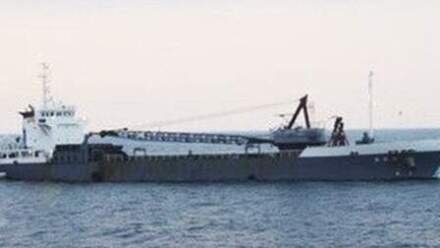
A recent maritime incident on the Columbia River in Washington State drew federal investigators’ attention. The National Transportation Safety Board (NTSB) concluded its inquiry into a collision. This event involved a towing vessel and a U.S. Coast Guard (USCG) dock. Their findings reveal a critical human factor behind the unexpected event.
Investigation Findings Revealed
The NTSB’s comprehensive investigation precisely identified the direct cause of the impact. The agency’s report states the towing vessel’s captain fell asleep at the helm. This severe lapse in attention meant the vessel operated without active control.
Consequently, the vessel veered significantly from its intended course on the Columbia River. This uncontrolled deviation led directly to the impact with the USCG dock. The NTSB’s determination highlights the profound consequences of crew fatigue.
The NTSB concluded its investigation into a Columbia River collision involving a towing vessel and a U.S. Coast Guard dock. Findings determined the captain fell asleep at the helm, causing the vessel to veer off course and strike the facility. This incident highlights the critical safety risks of crew fatigue.
The Incident’s Context and Safety Implications
The collision occurred on a vital section of the Columbia River waterway. This area serves as a crucial artery for commercial traffic. Before striking the USCG facility, the towing vessel’s trajectory became erratic and unmanaged. The captain’s incapacitation prevented any corrective maneuvers.
The National Transportation Safety Board routinely investigates such incidents. Their work aims to pinpoint causes. It also seeks to prevent future occurrences through recommendations. This finding serves as a stark reminder about crew alertness. Proper rest protocols are paramount for safe navigation across all waters.
1 Comment