


Title: German Courts Weigh Seizure of Russian Oil Tanker
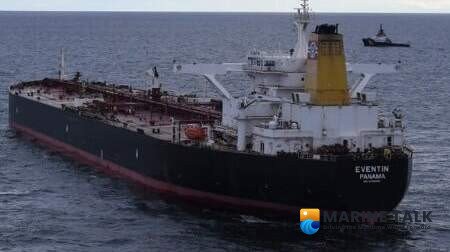
German courts are currently engaged in deliberations regarding the seizure of a ‘shadow fleet‘ tanker and the confiscation of its Russian oil cargo. This legal process follows an action initiated by German customs authorities approximately eleven months ago, when they first moved to take control of the vessel and its contents. The ongoing debate highlights the complexities surrounding such high-value assets in the current geopolitical climate.
Ongoing Legal Proceedings
German courts now actively debate the fate of a specific tanker and its valuable cargo. These judicial proceedings center on the legality and implications of the initial seizure. The extensive deliberations underscore the significant legal questions involved in such an international case, drawing considerable attention from various stakeholders.
Origins of the Seizure
German customs authorities first initiated the move to seize the vessel. This decisive action took place nearly a year ago, approximately eleven months prior to the current court discussions. Customs officials aimed to secure the tanker and confiscate its entire oil cargo at that time, acting under specific mandates.
German courts are debating the seizure of a 'shadow fleet' tanker and its Russian oil cargo, initially seized by customs eleven months ago. The legal proceedings focus on the legality of confiscating these assets, a decision that could set significant precedents regarding such high-value, geopolitically sensitive cases.
Identifying the Assets
The vessel in question is identified as part of a “shadow fleet.” Such tankers often operate outside conventional shipping regulations, presenting unique challenges for enforcement. Its cargo specifically consists of Russian oil, which remains central to the ongoing confiscation debate within the German legal system.
The Scope of the Deliberation
The courts’ discussions encompass both the physical tanker and its substantial oil payload. Judges are carefully considering all aspects of the customs authorities’ original action, weighing legal precedents and current regulations. Their final decision will determine the future of these seized assets and could set important precedents for future cases.




1 Comment