


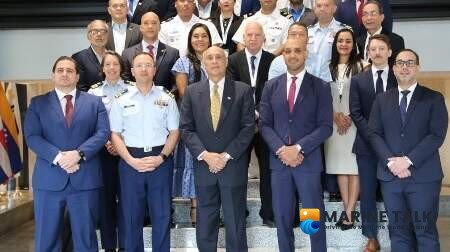
The Panama Maritime Authority (PMA), through its General Directorate of Merchant Marine (DGMM), recently joined the U.S. Coast Guard for a three-day exchange. This collaborative event, held from January 19th to 21st, focused on Port State Control. Participants shared valuable experiences between the two prominent maritime entities.
Understanding Port State Control
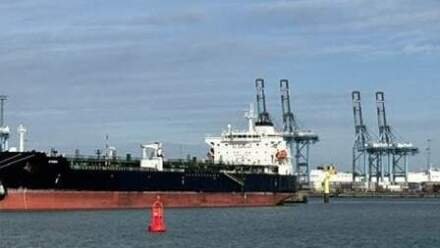
Port State Control (PSC) is vital for global maritime safety. It involves inspecting foreign-flagged ships in national ports. Authorities verify vessel compliance with international conventions. These standards cover safety, security, and environmental protection. PSC ensures vessels meet critical operational requirements.
The Panama Maritime Authority and U.S. Coast Guard held a three-day exchange on Port State Control, a vital process for inspecting foreign ships' international safety, security, and environmental compliance. This collaboration strengthens bilateral maritime ties, shares best practices, and enhances global shipping safety, leveraging Panama's strategic role.
Ensuring Global Compliance
Inspections under PSC uphold conventions like SOLAS, MARPOL, and STCW. These agreements set benchmarks for ship construction, crew competency, and pollution prevention. Regular checks identify deficiencies. They help maintain high safety standards across international waters. Panama and the U.S. Coast Guard both play key roles in this system.
Strengthening Bilateral Maritime Ties
Such exchanges significantly bolster international maritime cooperation. They allow authorities to discuss best practices. Officials can share insights into common challenges. This collaboration helps standardize inspection procedures. It also fosters a unified approach to maritime governance.
Panama’s Strategic Maritime Position
Panama holds a strategic position in global shipping. Its maritime authority manages one of the world’s largest ship registries. This role makes its expertise in PSC particularly crucial. Partnering with the U.S. Coast Guard enhances its capabilities. It also contributes to safer global shipping lanes.
The recent three-day exchange underscores a shared commitment to maritime excellence. By openly discussing Port State Control strategies, both nations strengthen their capabilities. This ongoing collaboration benefits not only their respective fleets but also the broader international maritime community.





Leave a Comment