


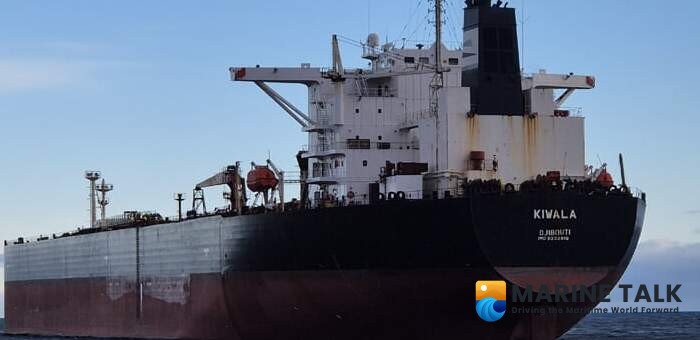
A new report highlights a growing trend: Russia‘s “shadow fleet” of tankers is increasingly employing deceptive tactics to bypass international sanctions. These vessels, crucial for transporting Russian oil and energy products, reportedly use false flags to obscure their true origins and activities. This strategy allows them to circumvent existing restrictions designed to limit Russia’s revenue.
The Expanding Shadow Fleet
The “shadow fleet” refers to a clandestine network of ships operating outside traditional maritime regulations. Many of these tankers are older vessels, often purchased by obscure companies after sanctions were imposed. Their primary mission involves moving Russian crude oil and refined products globally. This fleet has become a vital conduit for Moscow to maintain its energy exports despite widespread international pressure.
Russia's "shadow fleet" of tankers increasingly uses deceptive tactics, like false flags, to obscure their true origins and bypass international sanctions. This enables them to continue transporting Russian oil globally, maintaining revenue despite restrictions and challenging enforcement efforts to limit Russia's energy exports.
Operating in Secrecy
These ships often operate with minimal transparency. They frequently switch ownership or registration to non-traditional maritime jurisdictions. This deliberate obfuscation makes tracking their movements and identifying their true affiliations challenging for authorities. The fleet’s expansion directly reflects Russia’s concerted effort to find alternative shipping solutions.
False Flags: A Key Evasion Tactic
The report specifically identifies the increased use of “false flags” as a significant evasion tactic. A false flag operation in shipping involves a vessel flying the flag of a country other than its true nationality. This misrepresentation serves to conceal the ship’s actual ownership, origin of cargo, or ultimate destination. It effectively creates a veil of legitimacy for illicit or sanctioned activities.
Circumventing Restrictions
By adopting false flags, these tankers aim to avoid scrutiny from port authorities, insurance companies, and financial institutions. This deception complicates efforts to enforce sanctions, as the vessels appear to originate from or be registered in countries not subject to specific restrictions. Consequently, the flow of Russian energy products continues, undermining the intended economic impact of the sanctions regime.
Implications for Global Sanctions Enforcement
The proliferation of these deceptive practices poses a considerable challenge for international bodies. Monitoring and enforcing sanctions become significantly more complex when vessels actively disguise their identities. This situation demands enhanced intelligence gathering and more robust international cooperation. The report’s findings underscore the ongoing cat-and-mouse game between sanctioning authorities and those seeking to evade them.
3 Comments