


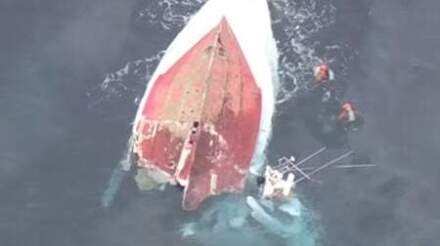
The UK Marine Accident Investigation Branch (MAIB) has published its comprehensive report detailing the tragic collision between the bulk carrier Polesie and the general cargo ship Verity. This devastating incident, occurring on the morning of October 24, ultimately led to the sinking of the Verity and the loss of five lives.
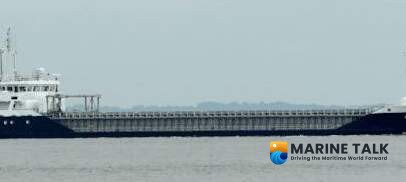
A central finding from the MAIB report highlights a critical missed opportunity. Investigators concluded that watchkeepers on both vessels could have prevented the collision through the effective utilization of VHF radio communication.
Investigation Findings
The MAIB’s investigation meticulously reconstructed the events leading up to the collision. Their analysis pointed directly to the absence of clear and timely communication between the two vessels as a primary contributing factor. Both ships navigated waters where such dialogue is crucial for safe passage.
Effective communication protocols exist specifically to prevent such maritime disasters. The report underscores how a breakdown in these fundamental practices directly preceded the fatal impact. Had watchkeepers initiated or responded to VHF calls, they could have clarified intentions and altered courses.
The MAIB report on the Polesie and Verity collision, which sank the Verity and killed five, concluded the incident was preventable. The key finding highlighted watchkeepers on both vessels failed to effectively use VHF radio communication, a critical oversight that prevented collaborative actions and led to the tragic maritime disaster.
The Role of VHF Communication
VHF radio serves as an essential tool for mariners to establish contact, convey navigational intentions, and resolve potential close-quarters situations. The MAIB report emphasizes that timely and clear exchanges on this channel are paramount for collision avoidance, especially in busy shipping lanes.
Investigators found no evidence of sufficient attempts by either vessel’s crew to establish this vital communication. This oversight left critical information unshared, preventing the necessary collaborative actions that could have averted the disaster.
Consequences and Lessons
The sinking of the general cargo ship Verity represents a profound loss, not only of the vessel itself but, more tragically, of five lives. This incident serves as a stark reminder of the unforgiving nature of the marine environment and the absolute necessity of adherence to safety procedures.
The MAIB’s mission involves investigating marine accidents to prevent future occurrences. Their report on the Polesie and Verity collision provides critical insights. It highlights how human factors, particularly communication failures, can have catastrophic consequences at sea.



Leave a Comment