


Belgium is currently grappling with a widespread national strike, leading to the closure of its vital ports and the complete halt of inland cargo ship operations. This significant industrial action involves the country’s three main labor unions, collectively mounting what observers believe is the largest strike of its kind in the past ten months. The unions are protesting against specific “aus…” policies of the country, as indicated in initial reports, causing considerable disruption across the logistics sector.
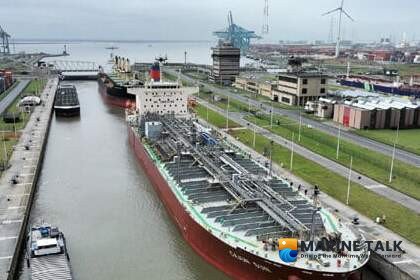
Widespread Impact on Trade and Logistics
The strike’s immediate consequences are visible in Belgium’s crucial maritime infrastructure. All major ports have ceased operations, effectively cutting off a key artery for European trade. This closure directly impacts international shipping schedules and supply chains, potentially causing delays and increased costs for businesses reliant on Belgian ports for cargo transit.
Belgium is experiencing a major national strike, the largest in ten months, led by three main labor unions protesting specific "aus…" policies. This industrial action has shut down all vital ports and halted inland cargo ship operations, causing widespread disruption across the country's logistics sector, trade, and supply chains.
Halt to Inland Cargo Traffic
Beyond the coastal ports, inland cargo ship operations have also come to a standstill. This disruption affects river and canal networks, critical for moving goods within Belgium and to neighboring countries. Companies utilizing these waterways face significant logistical challenges, as the strike prevents the transport of raw materials and finished products.
Unions Unite in Protest
Three prominent labor unions have joined forces to orchestrate this national demonstration. Their unified action underscores the depth of discontent over the government’s policies. This collective effort has resulted in a powerful display of worker solidarity, amplifying their demands for policy changes.
Largest Action in Ten Months
The scale of the current strike marks it as the most substantial industrial action Belgium has witnessed in nearly a year. This widespread participation highlights the gravity of the unions’ grievances and their determination to pressure authorities for a resolution. The sheer number of workers involved indicates a broad base of support for the protest.
Protest Against Unspecified Policies
Unions initiated the strike specifically to protest certain “aus…” policies implemented by the country. While initial reports did not detail the exact nature of these policies, their impact has evidently galvanized a significant portion of the Belgian workforce. This ongoing standoff between labor organizations and the government signals a critical period for policy review and potential negotiation.
Leave a Comment