


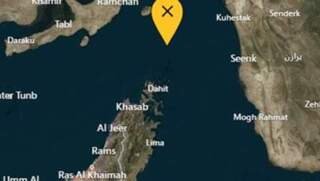
On Thursday, the White House’s urgent appeal for international assistance to reopen the Strait of Hormuz faced widespread rejection. This diplomatic setback occurred as the United States continued its application of force within the vital shipping lane. Simultaneously, European powers announced their support for establishing post-war security arrangements in the volatile region. This divergence highlights differing approaches to regional stability.
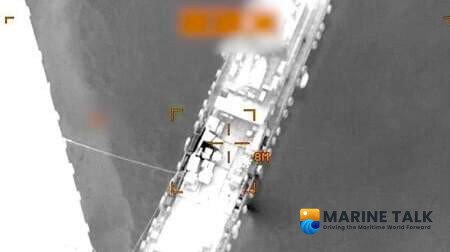
US Military Presence in the Strait
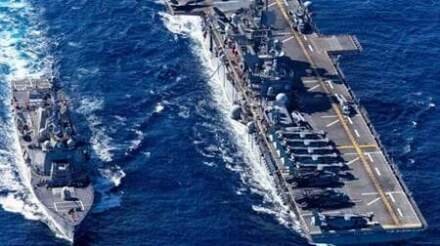
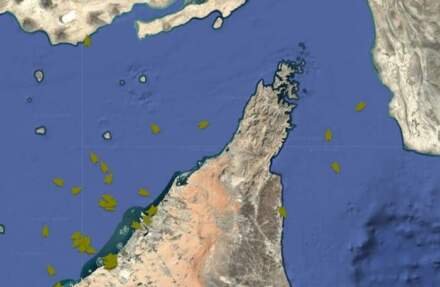
The United States has maintained a significant military presence in the Strait of Hormuz. US forces are actively applying force there. This action underscores Washington’s commitment to safeguarding global maritime trade through the critical chokepoint. The Strait remains a crucial route for oil shipments worldwide.
The White House's urgent appeal for international help to reopen the Strait of Hormuz was widely rejected, while the U.S. continued applying force there. European powers instead supported post-war security arrangements, highlighting diverging international approaches to regional stability in the Middle East.
Allies Reject White House Appeal
The White House sought international help to ensure the Strait’s reopening. However, this appeal met with broad rejection from allied nations. The specific reasons for this widespread dissent were not immediately detailed. This outcome represents a clear diplomatic challenge for Washington.
European Focus on Post-War Security
In contrast to the American strategy, European powers articulated their support for post-war security. They emphasize establishing new arrangements to ensure long-term regional stability. This perspective suggests a preference for diplomatic solutions and structured frameworks. Such initiatives aim to prevent future conflicts in the Middle East.
Broader Regional Implications
The differing stances between the United States and its European allies reveal a complex geopolitical landscape. While Washington prioritizes immediate freedom of navigation, European nations appear to favor a more comprehensive, long-term security approach. This divergence could shape future international engagements in the critical Middle East region.



Leave a Comment