


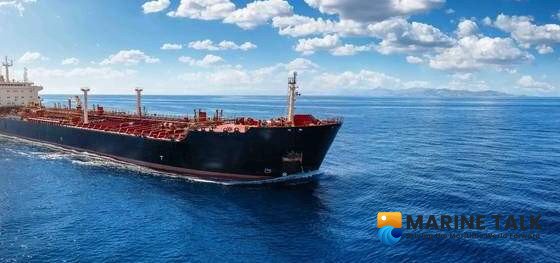
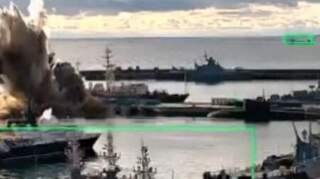
Ukraine has reportedly struck the Russian “shadow fleet” oil tanker, Qendil, in the Mediterranean Sea. This marks a notable expansion of Kyiv’s operational reach. An official confirmed the aerial drone attack on Friday, the first against such a vessel in this region.
Incident Details
The Qendil, a vessel linked to Russia‘s less regulated oil transport network, was the target. Aerial drones executed the strike. This action highlights Ukraine’s increasing intensity in disrupting Russian oil shipping.
Ukraine conducted its first aerial drone strike on a Russian "shadow fleet" oil tanker, Qendil, in the Mediterranean Sea. This significant expansion of Kyiv's operational reach targets Russia's sanctions-evading oil transport, escalating maritime warfare and aiming to impact its war funding.
Extended Operational Reach
The Mediterranean Sea location signifies a new geographical extension for Ukrainian operations. Previous attacks focused primarily on the Black Sea. This incident demonstrates Ukraine’s evolving capabilities, targeting Russian assets further afield.
The “Shadow Fleet” Explained
The “shadow fleet” comprises older vessels operating with less transparency. They help Russia circumvent Western sanctions on its oil exports. Targeting these tankers aims to impact Russia’s war funding.
Escalation in Maritime Warfare
This drone strike fits a pattern of escalating maritime engagements. Ukraine has effectively used drones against Russian naval assets, including warships. The current incident reflects Kyiv’s evolving naval tactics.
Strategic Consequences
The attack sends a clear message about Ukraine’s intent to challenge Russia’s energy exports. This could pressure Russia’s maritime insurance and logistics. It may prompt reevaluation of security for Russian-affiliated shipping.
Observers will closely monitor future developments. The long-term impact on Russian oil flows remains uncertain. This strike undeniably signals a new phase in the conflict, as Ukraine adapts its strategies.


Leave a Comment