


A tanker operating under international sanctions recently entered Venezuelan waters, carrying a significant cargo of Russian naphtha. This movement, observed late Thursday, occurred as three other vessels also subject to sanctions either halted their voyages or began altering their routes in the Atlantic Ocean. Ship tracking data provided these details, highlighting ongoing activity within sanctioned maritime trade networks.
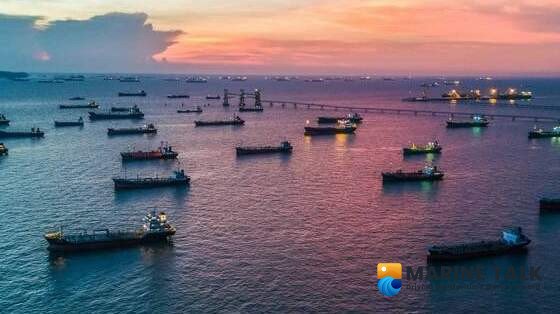
Maritime Maneuvers Unfold
A sanctioned tanker delivered 300,000 barrels of Russian naphtha to Venezuela, while three other sanctioned vessels simultaneously altered their routes in the Atlantic. This activity, revealed by ship tracking data, highlights the ongoing operations within sanctioned maritime trade networks and the complexities of enforcing international restrictions on such global exchanges.
The Venezuelan Arrival
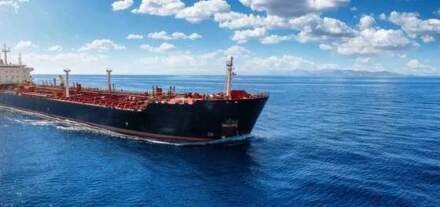
The vessel, laden with approximately 300,000 barrels of naphtha, completed its journey into Venezuelan territory. Naphtha, a light petroleum distillate, serves primarily as a crucial feedstock for the petrochemical industry. Its delivery to Venezuela marks a notable event given the context of existing international restrictions.
Vessels Alter Course
Concurrent with the tanker’s arrival in Venezuela, three additional ships, each also under sanctions, demonstrated altered navigation patterns. These vessels were operating in the Atlantic Ocean when they either ceased forward movement or initiated changes to their intended courses. Their sudden navigational shifts suggest a dynamic environment for sanctioned maritime operators.
Sanctions and Trade Restrictions
International sanctions apply to specific vessels and entities engaged in certain trade activities. These measures generally aim to restrict particular economic exchanges, especially involving designated countries or goods. The movements of these tankers draw attention to the complexities and challenges of enforcing such global trade limitations.
Monitoring Maritime Activity
Ship tracking data offers vital insights into global maritime traffic. This publicly available information allows analysts and authorities to monitor vessel movements, cargo deliveries, and compliance with international regulations. The data serves as a transparent record of activity for ships operating in areas of interest.





2 Comments