


Title: Hormuz Disruption Poses Threat to South Korea‘s Shipbuilding Sector
South Korea is currently evaluating the severe implications of potential disruptions to energy exports originating from the Middle East. This concern is particularly acute given the critical role of maritime routes like the Strait of Hormuz in global energy supply chains. Seoul recognizes the far-reaching consequences of any instability in this vital region.
Assessing Broader Repercussions
The potential halt in Middle Eastern energy exports triggers a cascade of secondary consequences. South Korea understands the interconnectedness of global trade and energy security. This comprehensive assessment aims to identify all sectors vulnerable to such an event.
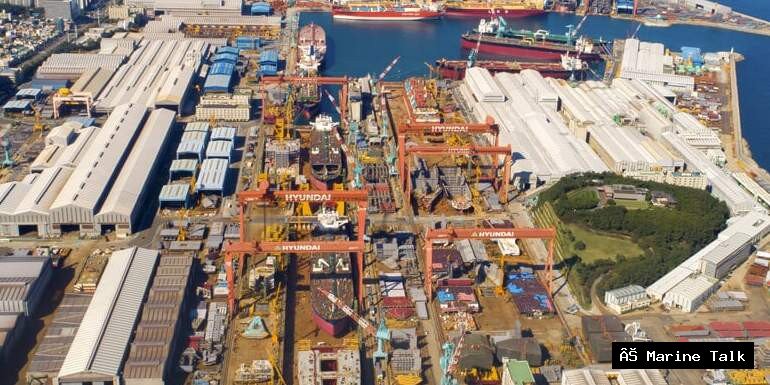
Among the significant “knock-on effects” reported, a growing apprehension centers on the direct threat posed to various segments within South Korea’s prominent shipbuilding industry. This sector, a cornerstone of the national economy, faces substantial risk.
Direct Threat to Shipbuilding
A disruption in energy flow from the Middle East directly impacts the demand for new vessels. Fewer oil and gas tankers would be required if exports cease or significantly reduce. This scenario would inevitably lead to a decline in new shipbuilding orders, challenging South Korean shipyards.
The industry’s reliance on stable global trade routes and consistent energy demand highlights its vulnerability. Shipbuilders, therefore, watch developments surrounding the Strait of Hormuz with particular concern. This situation could affect employment and future investment in the sector.
South Korea is evaluating the severe threat posed to its shipbuilding industry by potential disruptions to Middle East energy exports, particularly via the Strait of Hormuz. Instability in this critical maritime route would reduce global demand for new oil and gas tankers, directly impacting South Korean shipyards through declining orders and challenging this cornerstone economic sector.
The Strait’s Strategic Importance
The Strait of Hormuz serves as a crucial choke point for global oil and liquefied natural gas shipments. A substantial portion of the world’s seaborne oil passes through this narrow waterway daily. Its closure or significant impediment would send shockwaves across international markets.
For South Korea, a major industrial nation, the strait’s stability is paramount. The country depends heavily on imported energy resources, many of which transit through this strategic passage. Disruptions here would not only impact energy prices but also the very demand for the specialized vessels South Korea constructs.




Leave a Comment