


Belgian ports, including the vital hub of Antwerp, face significant disruption as industrial action has once again brought most shipping operations to a standstill. The strike, which began on Monday, March 9, quickly escalated nationwide, paralyzing maritime logistics across the country. This action highlights ongoing challenges for the nation’s crucial trade gateways.
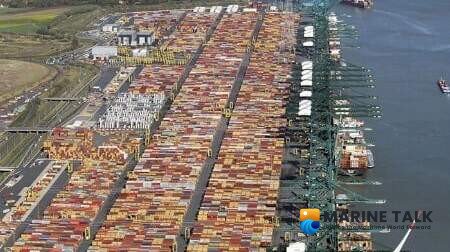
Immediate Impact on Operations
Industrial action commenced in Belgium on Monday, March 9, immediately impacting maritime activities. Most shipping operations at key Belgian ports, notably Antwerp, experienced paralysis. Vessels could not load or unload cargo, effectively halting the flow of goods. This sudden cessation of work created immediate bottlenecks in the supply chain.
A nationwide industrial strike, beginning March 9, has significantly disrupted Belgian ports like Antwerp, paralyzing most shipping operations. This action has halted cargo flow, created supply chain bottlenecks, and highlights recurring vulnerabilities in the country's crucial maritime trade infrastructure.
Rapid Nationwide Escalation
What started as a localized protest rapidly spread throughout Belgium. The strike’s swift escalation ensured a comprehensive shutdown of maritime services. This nationwide reach meant that virtually all port activities ceased. The widespread nature of the industrial action amplified its disruptive effect on the country’s logistics network.
A Recurring Challenge for Trade
This widespread industrial action represents a recurring instance of shipping being brought to a standstill in Belgium. The nation’s ports have faced similar disruptions multiple times. Such repeated halts pose ongoing challenges to trade stability. They underscore a persistent vulnerability within the country’s critical maritime infrastructure.
The current paralysis of Belgian ports, initiated by the strike on March 9, continues to affect international trade routes. As the situation develops, stakeholders monitor its broader economic implications. The incident again draws attention to the resilience of global supply chains when faced with domestic industrial disputes.




Leave a Comment