


Maritime analytics firm Xeneta projects ocean carriers will not resume container ship traffic through the Red Sea even by 2026. This prolonged disruption stems directly from the ongoing geopolitical conflict involving the United States, Israel, and Iran. The immediate outlook suggests a return to this vital shipping lane remains highly improbable for the rest of the current year.
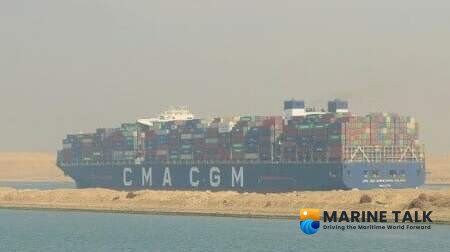
Extended Red Sea Closure Predicted
Xeneta’s assessment highlights a significant, long-term challenge for global maritime logistics. The firm’s analysis indicates the strategic waterway will likely remain inaccessible for container vessels well into the next two years. This forecast underscores the deep impact of current regional instability on critical trade routes.
Maritime analytics firm Xeneta predicts Red Sea container ship traffic will not resume until at least 2026, citing ongoing geopolitical conflict involving the U.S., Israel, and Iran. This prolonged disruption forces carriers to reroute, incurring significant additional time and operational costs, highlighting a long-term challenge for global maritime logistics.
Immediate Prospects Remain Bleak
For the remainder of the current year, hopes for a resumption of Red Sea transits appear minimal. Carriers continue to reroute vessels, incurring additional time and operational costs. This ongoing avoidance strategy reflects a sustained high-risk assessment by shipping companies.
Geopolitical Factors Driving Disruption
The core reason for this prolonged rerouting is the complex geopolitical situation in the region. Conflict dynamics involving the U.S., Israel, and Iran directly contribute to severe security concerns for commercial shipping. These persistent tensions create an environment deemed too hazardous for regular operations.
Implications for Ocean Carriers
Ocean carriers face continued operational adjustments and increased expenses due to the Red Sea closure. The necessity of avoiding the Suez Canal route impacts vessel scheduling and significantly raises fuel consumption. Companies must factor these extended transit times and higher costs into their planning and pricing strategies.



Leave a Comment