


Canada‘s federal government has initiated a study to explore the feasibility of year-round shipping on Hudson Bay. This significant development aligns with growing momentum behind expansion plans for the Port of Churchill. As a critical Arctic gateway, the port’s evolution could redefine northern maritime operations.
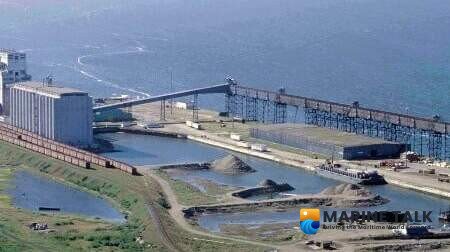
Federal Study Targets Hudson Bay
The newly launched federal study focuses on investigating the potential for continuous shipping activities across Hudson Bay. This initiative aims to assess the complex challenges and opportunities associated with year-round navigation. Currently, seasonal ice conditions restrict maritime traffic for much of the year.
Investigators will delve into various factors impacting year-round operations. These include environmental considerations, logistical requirements, and the necessary technological advancements. The study represents a proactive step towards enhancing Canada’s Arctic shipping capabilities.
Canada's federal government is studying the feasibility of year-round shipping on Hudson Bay, aligning with expansion plans for the critical Arctic gateway, the Port of Churchill. This initiative aims to overcome seasonal ice restrictions, significantly enhancing northern development and Canada's Arctic shipping capabilities.
Port of Churchill’s Strategic Importance
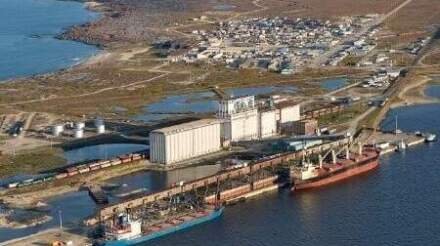
Concurrently, the Port of Churchill is experiencing a surge in development interest. Expansion plans for this vital northern facility are gaining considerable traction. Stakeholders are exploring upgrades to boost its capacity and operational efficiency.
Positioned as a key Arctic gateway, the Port of Churchill holds immense strategic value. It offers a direct maritime link for trade and supply routes into Canada’s North. Strengthening this port is crucial for national Arctic interests and regional economic growth.
Potential for Northern Development
Should year-round shipping prove viable, the implications for regional and national economies could be substantial. It promises more consistent access for northern communities and resource projects. This could reduce costs and improve the reliability of goods transportation.
Year-round navigation would mark a significant logistical transformation for the region. It would challenge existing seasonal shipping models, opening new possibilities for cargo movement. The study’s findings will critically inform future investment and policy in the Arctic.
Leave a Comment