


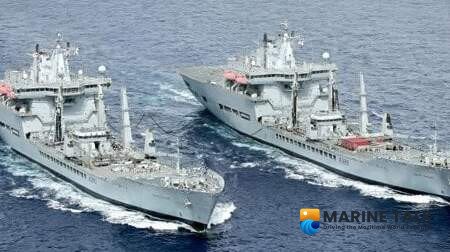
The United Kingdom has completed the sale of auxiliary fleet resupply ships to the private operator Inocea Group. This transaction marks a step in the government’s ongoing efforts to downsize and reshape the operational capabilities of both the Royal Navy and the Royal Fleet Auxiliary.
Naval Restructuring Efforts Underway
The sale of these vessels aligns with broader strategic initiatives within the UK‘s defense sector. For some time, the government has pursued a policy aimed at modernizing and streamlining its naval forces. This often involves divesting older assets while focusing resources on new technologies and core operational priorities.
Such restructuring aims to enhance efficiency and maintain a formidable naval presence. Decisions regarding fleet composition reflect evolving defense needs and budgetary considerations. The Royal Navy and Royal Fleet Auxiliary continually adapt their structures to meet global commitments.
The UK has sold auxiliary fleet resupply ships to Inocea Group, part of ongoing efforts to downsize and reshape the Royal Navy and Royal Fleet Auxiliary. This move aims to modernize and streamline naval forces, signaling a shift in future logistical support and the UK's evolving maritime defense posture.
The Role of Auxiliary Fleet Resupply Ships
Auxiliary fleet resupply ships play a crucial role in supporting naval operations worldwide. These vessels provide essential logistical support, delivering fuel, provisions, ammunition, and other supplies to warships at sea. Their presence extends the endurance and reach of naval task groups.
Maintaining a robust auxiliary fleet ensures that combat vessels can operate effectively for extended periods without returning to port. This logistical backbone is vital for sustained deployments and humanitarian missions alike. The Royal Fleet Auxiliary traditionally manages these critical support functions.
Inocea Group Acquires Vessels
Inocea Group, a private operator, now takes ownership of these auxiliary resupply ships. The acquisition by a commercial entity suggests potential repurposing or integration into private maritime operations. Private sector involvement in former military assets can open new avenues for their use.
Details regarding Inocea Group’s specific plans for the vessels remain undisclosed. However, private operators often adapt such ships for various commercial roles. These could include specialized transport, offshore support, or other maritime services.
Implications for UK Naval Operations
The divestment of these resupply ships signals a shift in how the Royal Navy and Royal Fleet Auxiliary plan to manage their logistical support. This move may indicate a reliance on newer, more versatile support vessels or perhaps a re-evaluation of current fleet requirements. The UK continues to invest in modern naval capabilities.
Future operational models might involve different approaches to sustainment at sea. As naval forces evolve, so too do the strategies for their logistical backing. This sale contributes to the ongoing transformation of the UK’s maritime defense posture.








Leave a Comment