


The Maritime Administration (MARAD) has officially taken charge of the environmental compliance process for deepwater port development. This pivotal responsibility, encompassing environmental reviews for various offshore energy projects, shifts from the U.S. Coast Guard (USCG).
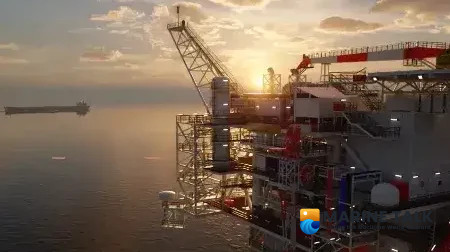
New Oversight for Offshore Energy Ports
MARAD now directly manages environmental assessments for facilities crucial to the nation’s energy infrastructure. These deepwater ports often include offshore liquefied natural gas (LNG) terminals, oil import/export facilities, and increasingly, infrastructure supporting offshore wind farms. This change centralizes regulatory oversight under an agency with a primary focus on maritime commerce and infrastructure development.
The transfer aims to streamline the permitting process for these complex projects. Environmental compliance is a critical step, ensuring that large-scale offshore developments adhere to federal regulations and minimize ecological impact. MARAD’s expanded role positions it as a key facilitator in the development of future offshore energy resources.
The Maritime Administration (MARAD) has assumed responsibility for environmental compliance processes for deepwater port development, including offshore energy projects, taking over from the U.S. Coast Guard. This shift centralizes oversight under MARAD, aiming to streamline permitting and accelerate project timelines, while allowing the USCG to focus on its core missions.
Transition from USCG Responsibilities
Previously, the U.S. Coast Guard administered these environmental compliance processes. The USCG’s involvement stemmed from its broader authority over maritime safety and security. However, its primary mission differs significantly from the long-term planning and infrastructure development focus inherent in deepwater port projects.
This organizational shift allows the USCG to concentrate more fully on its core duties, including maritime law enforcement, search and rescue, and navigational safety. It also acknowledges MARAD’s growing expertise and mandate in facilitating maritime infrastructure development, which aligns closely with the nature of deepwater ports and offshore energy initiatives.
Implications for Project Development
The assumption of these duties by MARAD could bring several benefits to project developers and the broader offshore energy sector. A single agency now handles both the environmental review and other aspects of deepwater port permitting. This consolidation may lead to more consistent application of environmental standards and potentially accelerate project timelines.
MARAD possesses a deep understanding of maritime logistics and infrastructure needs. Its direct involvement in environmental reviews integrates this expertise from the earliest stages of project planning. This integration could foster more efficient and environmentally sound development of critical offshore energy assets.




1 Comment