


Title: Autonomous Wind-Powered Cargo Ship Enters Construction Phase
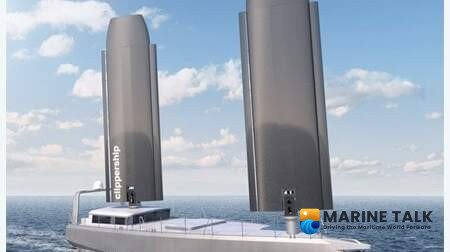
A significant development in maritime shipping marks a new chapter for global transport. A construction order has been placed for what is being hailed as the world’s first autonomous, wind-powered cargo ship. This innovative vessel represents a major step towards sustainable and self-sufficient ocean transport, signaling a potential shift in how goods move across oceans.
Project Leadership and Design
Clippership, a California-based startup, spearheads this pioneering project. The company has successfully completed the designs for this groundbreaking cargo ship. Its vision combines cutting-edge autonomy with traditional wind propulsion for a modern fleet.
The startup does not work in isolation. Clippership collaborates closely with established leaders within the maritime community. This partnership brings together seasoned expertise and innovative vision, crucial for developing such a complex and transformative vessel.
Pioneering Sustainable Ocean Transport
The vessel’s designation as the “first of its kind globally” underscores its revolutionary nature. Combining both autonomous operation and wind power addresses key challenges facing the shipping industry. It promises reduced environmental impact and enhanced operational efficiency.
A construction order has been placed for the world's first autonomous, wind-powered cargo ship, spearheaded by Clippership. This innovative vessel aims to revolutionize global transport, offering sustainable, self-sufficient, and low-emission ocean shipping by combining advanced autonomy with traditional wind propulsion for enhanced efficiency and environmental benefits.
Environmental Advantages
Wind power offers a clean energy source for propulsion. This significantly reduces reliance on fossil fuels. Consequently, the ship aims to lower carbon emissions during voyages, contributing to cleaner oceans and air.
Autonomous Operations
Autonomous capabilities introduce a new level of operational sophistication. These systems can optimize routes and sailing patterns. Such advancements enhance safety and potentially streamline logistics for cargo delivery worldwide.
The placement of this construction order signals a tangible move towards the future of shipping. This project could inspire further innovation across the maritime sector. It sets a precedent for integrating advanced technology with ecological responsibility in global trade.



2 Comments