


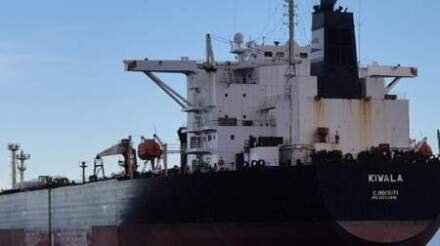
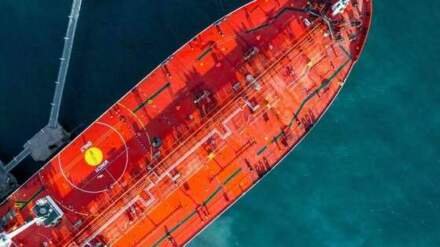
The U.S. Treasury‘s Office of Foreign Asset Control (OFAC) recently announced sanctions against 12 additional vessels. These ships are identified as part of a “shadow fleet,” a network often used to obscure ownership and operations. The targeted vessels maintain links to Iranian petrol, signaling a continued focus on disrupting such illicit activities. This action was officially imposed on Wednesday.
Sanctions on Illicit Maritime Operations
OFAC’s latest move directly impacts these 12 ships. The sanctions aim to curtail operations that support prohibited trade. This measure underscores the U.S. government’s commitment to enforcing its economic restrictions. Such actions seek to prevent sanctioned entities from accessing international financial systems and maritime routes.
The U.S. Treasury's OFAC sanctioned 12 "shadow fleet" vessels linked to Iranian petrol to disrupt illicit trade. This action underscores the U.S. commitment to enforcing economic restrictions and preventing sanctioned entities from accessing international maritime routes, targeting clandestine oil transport and sale to the Iranian regime.
OFAC’s Enforcement Role
The Office of Foreign Asset Control holds a critical role in U.S. national security and foreign policy. It administers and enforces economic and trade sanctions programs. These programs target specific foreign countries, individuals, and entities. OFAC’s authority allows it to block assets and restrict transactions. This helps to achieve U.S. foreign policy and national security goals.
Understanding the “Shadow Fleet”
A “shadow fleet” refers to a group of vessels operating outside conventional shipping practices. These ships often employ tactics to mask their true ownership or origin. They frequently engage in activities designed to circumvent international sanctions. Such fleets typically operate without standard insurance or regulatory oversight. This makes them a key component in illicit trade networks.
Ties to Iranian Petrol
The 12 newly sanctioned vessels are specifically linked to Iranian petrol. This connection highlights ongoing efforts to bypass sanctions on Iran’s energy sector. The use of shadow fleets enables the clandestine transport and sale of oil. This provides a revenue stream for the Iranian regime. OFAC’s targeting of these specific vessels directly addresses this illicit trade channel.
Broader Implications of the Action
This recent action by the Treasury Department is part of a broader, sustained strategy. It represents a continuation of efforts to target entities facilitating Iranian petrol trade. The sanctions send a clear message to those involved in such networks. They reinforce the risks associated with operating outside international norms. This pursuit of illicit shipping operations remains a significant focus for U.S. authorities.
Leave a Comment