


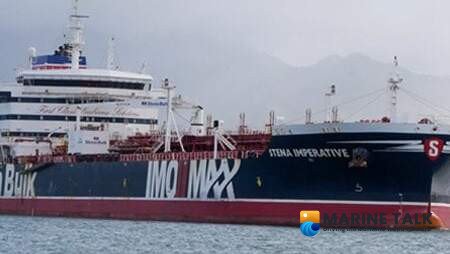
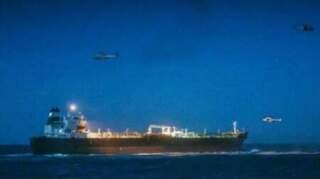
A U.S.-flagged Stena tanker sustained damage early Monday, March 2, after Iranian missiles struck the vessel. The incident occurred during a period of heightened regional tension. Reports indicate the tanker was supplying fuel to the U.S. military at the time of the attack.
Details of the Maritime Incident
The tanker, operating under U.S. flag, encountered the missile strike in the early hours of Monday morning. While specific details about the extent of the damage remain limited, the vessel was confirmed to have been hit. This direct engagement marks a significant event in the ongoing maritime security landscape.
A U.S.-flagged Stena tanker sustained damage from Iranian missiles on Monday, March 2, while supplying fuel to the U.S. military. This incident occurred amidst heightened regional tensions and Iranian retaliatory strikes, underscoring the volatile security situation in the Gulf and its direct impact on international shipping and military logistics.
Iranian Retaliatory Strikes
Iranian forces are attributed with launching the missiles that impacted the Stena tanker. The attack took place amidst a series of retaliatory strikes initiated by Iran. These actions primarily targeted neighboring Bahrain, indicating a broader pattern of regional aggression.
Context of Regional Instability
The strike on the U.S.-flagged tanker underscores the volatile security situation in the Gulf. Iranian forces have escalated their activities, leading to concerns about maritime safety and freedom of navigation. This incident highlights the direct impact of these regional conflicts on international shipping and military logistics.
Implications for U.S. Operations
The fact that the damaged tanker supplied fuel to the U.S. military adds another layer of significance to the event. Attacks on vessels supporting military operations can disrupt supply lines. This incident may prompt a review of security protocols for U.S.-affiliated shipping in the region.



Leave a Comment