


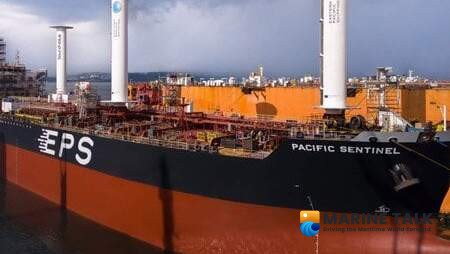
A new study is underway, utilizing an EPS tanker, to evaluate wind-assisted propulsion systems. This research aims to quantify their beneficial impact on vessels, also developing a standardized framework for performance assessment. This marks a key step towards sustainable shipping.
Quantifying Environmental and Economic Gains
The study’s primary goal is to measure wind propulsion’s positive effects. Experts will track reductions in fuel consumption and emissions. This data provides concrete evidence of operational efficiency improvements, crucial for industry adoption.
A new study on an EPS tanker evaluates wind-assisted propulsion, quantifying fuel and emission reductions. It also develops a standardized performance assessment framework. This research is vital for accelerating sustainable shipping, offering concrete evidence and a consistent methodology for industry adoption.
Measuring Real-World Performance
Researchers gather data on vessel speed, load, and weather. This collection allows understanding performance across diverse scenarios. Analyzing this information highlights specific gains from harnessing wind power, offering practical insights.
Establishing a Standardized Assessment Framework
Beyond immediate benefits, the research aims to create a robust assessment framework. This offers a consistent methodology for evaluating future wind technologies. A standardized approach ensures comparability, empowering shipowners to make informed choices.
Ensuring Industry Consistency
Developing this framework addresses a significant gap in maritime technology assessment. Without a common standard, comparing diverse wind solutions remains challenging. The framework will outline key performance indicators, streamlining industry evaluation.
The EPS Tanker’s Vital Role
An EPS tanker serves as the subject for this critical research. Tankers navigate fixed routes, ideal for consistent data collection. Findings will offer insights applicable to similar ship types. This real-world application grounds the study in practical experience.
This comprehensive study contributes significantly to maritime decarbonization efforts. It quantifies benefits and establishes clear guidelines, paving the way for broader integration of wind-assisted propulsion. Results will help accelerate the transition to sustainable global shipping.






Leave a Comment