


An agreement has been formally signed to commence a significant expansion of the Port of Thessaloniki, a key maritime facility in northeastern Greece.
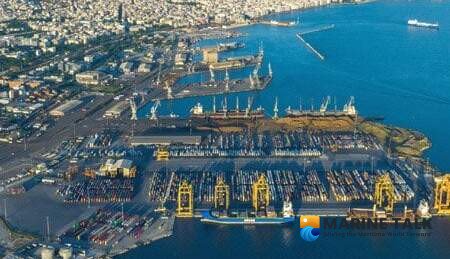
This development marks the start of a major infrastructure project. The expansion unfolds amidst active calls from the United States for alternatives to COSCO’s influence in regional port operations, highlighting Thessaloniki’s increasing strategic importance.
Port Project Commences
The agreement formally initiates planned infrastructure upgrades at the Port of Thessaloniki. This project enhances the port’s capacity and operational capabilities. Modernization efforts prepare the facility for increased maritime traffic and regional trade.
Geopolitical Context
Thessaloniki’s expansion begins at a pivotal moment. The United States openly advocates for regional port alternatives, seeking to reduce reliance on COSCO. This diplomatic push reflects broader geopolitical considerations regarding maritime influence.
Washington’s stance highlights the strategic value of facilities like Thessaloniki. These ports offer critical access for trade and logistics in southeastern Europe. The US aims to foster a diversified and resilient port network.
A major expansion of Greece's Port of Thessaloniki has formally commenced, enhancing its capacity and modernization. This project aligns with US calls for alternatives to COSCO's regional port influence, underscoring Thessaloniki's growing strategic importance as a vital trade and logistics hub in southeastern Europe.
Thessaloniki’s Enhanced Role
The Port of Thessaloniki holds a vital position within Mediterranean and Balkan trade routes. Its location in northeastern Greece provides a gateway to landlocked countries, contributing significantly to its strategic importance.
The ongoing expansion reinforces Thessaloniki’s potential as a key hub. It positions the port as a viable option for international shipping and logistics, aligning with efforts to strengthen alternative maritime pathways.


Leave a Comment