


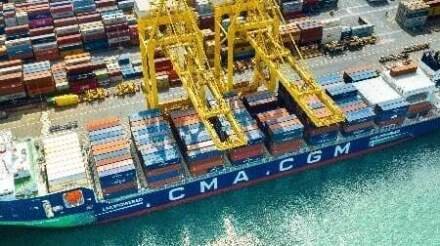
CMA CGM has announced a significant shift in its shipping operations, rerouting several key Asia-Europe services back around the Cape of Good Hope. This decision reverses a recent move to transit the Suez Canal for backhaul voyages. The shipping giant cited “complex and uncertain” conditions in the Red Sea region. Maritime analytics firm Xeneta warns this unpredictability could severely impact global ocean supply chains.
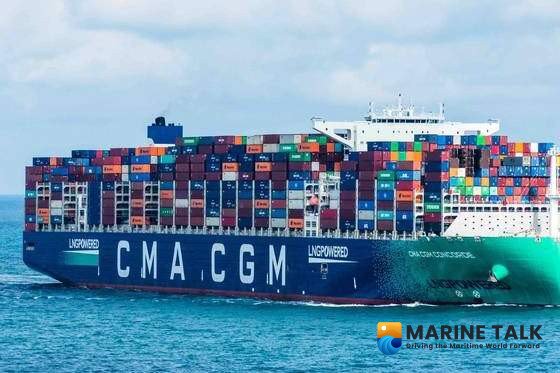
The Route Reversal
The affected services include FAL1, FAL3, and MEX, which connect Asia and Europe. These routes had recently resumed using the Suez Canal for their return journeys. CMA CGM initially sought to leverage the shorter Suez route for these backhaul legs, aiming for greater efficiency.
However, the company now cites “complex and uncertain” circumstances in the Red Sea. This indicates ongoing security concerns in the vital waterway. The decision underscores persistent challenges for maritime traffic in the region, forcing carriers to prioritize safety and reliability.
Xeneta’s Warning on Supply Chain Impact
Maritime analytics firm Xeneta has weighed in on CMA CGM’s latest move. The firm warns that such volatility poses a significant threat to global ocean supply chains. Unpredictable routing decisions create ripple effects across the entire industry, affecting various stakeholders.
Constant changes in shipping paths disrupt established schedules and significantly increase transit times. This leads to higher operational costs for carriers and potential delays for goods reaching their destinations. Such instability also makes long-term planning difficult for shippers and carriers alike, hindering efficient logistics management.
CMA CGM is rerouting key Asia-Europe services around the Cape of Good Hope, reversing a recent decision to use the Suez Canal for backhaul voyages. Citing "complex and uncertain" Red Sea conditions, this move underscores persistent security concerns. Analytics firm Xeneta warns such unpredictability will severely impact global ocean supply chains, increasing costs and delays.
Implications for Global Trade
The ongoing Red Sea situation forces carriers to make difficult and costly choices. Longer routes around Africa consume substantially more fuel and extend delivery times by weeks. These factors ultimately translate into increased freight rates and higher costs for consumers and businesses worldwide.
Looking Ahead
The reversal by CMA CGM highlights the persistent and evolving challenges facing international shipping. Carriers must navigate a volatile geopolitical landscape while striving to maintain operational integrity. Adaptability remains crucial for safeguarding global trade flows amidst these continuous disruptions.
1 Comment