


Russia has strongly condemned the United States’ seizure of its oil tanker, the Marinera, in the Atlantic. Moscow officially stated Wednesday that the action violated maritime law. A senior Russian lawmaker went further, describing it as “outright piracy.” Russia’s Transport Ministry also reported losing contact with the vessel following the American intervention. This incident marks a significant point of contention between the two nations.
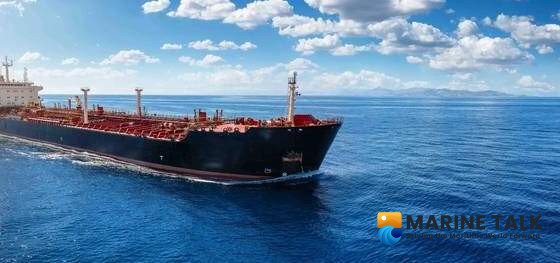
Moscow Condemns U.S. Action
Moscow unequivocally denounced the United States’ recent action. Officials characterized the seizure of the Russian-flagged Marinera as a clear breach of international maritime regulations. This official stance underscores Russia’s deep disapproval of the event. Such a declaration signifies a serious diplomatic challenge.
Russia strongly condemned the U.S. seizure of its oil tanker, the Marinera, in the Atlantic, calling it a violation of maritime law and "outright piracy." Moscow's Transport Ministry reported losing contact with the vessel post-intervention. This incident represents a significant point of contention and diplomatic challenge between the two nations.
Accusations of Piracy Emerge
Beyond the official diplomatic channels, a prominent Russian lawmaker used strong language. He publicly labeled the U.S. seizure as “outright piracy.” This severe accusation highlights the gravity with which Russia views the incident. Such rhetoric often escalates international tensions.
The Marinera’s Disappearance
Adding to the controversy, Russia’s Transport Ministry issued a concerning report. The ministry confirmed losing contact with the Marinera. This occurred immediately after the U.S. intervention in the Atlantic. The vessel’s status and whereabouts currently remain uncertain.
Incident Details
The Marinera, a Russian-flagged oil tanker, became the center of this dispute. The seizure unfolded in the vast waters of the Atlantic Ocean. Its specific cargo or destination was not immediately disclosed. This event has drawn considerable international attention regarding maritime conduct.




1 Comment