


An estimated $8 billion in oil revenue has reportedly vanished from Iran‘s accounts. This substantial financial discrepancy, linked to the country’s clandestine “shadow-fleet” operations, fuels concerns about the Velayat-e Faqih regime‘s stability. The Maritime Executive highlighted this, suggesting it could push Iran toward widespread unrest.

Discrepancy in Oil Revenue
The missing $8 billion originates from Iran’s illicit oil sales. Generated through a network bypassing international sanctions, this revenue remains unaccounted for. The disappearance suggests systemic issues within Iran’s financial oversight.
An estimated $8 billion in oil revenue, generated via Iran's sanctions-bypassing "shadow-fleet" operations, has vanished. This discrepancy threatens the Velayat-e Faqih regime's stability, potentially pushing the country toward widespread unrest, as warned by The Maritime Executive.
Iran’s Shadow Fleet Operations
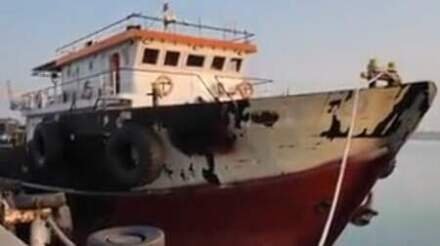
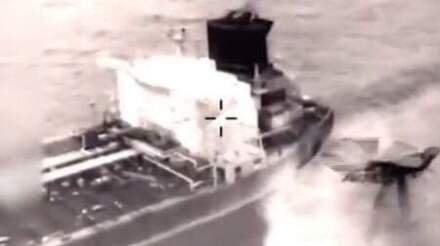
Iran developed its “shadow-fleet” to export oil despite sanctions. These vessels operate covertly, obscuring origins and destinations. Such operations allow Iran to maintain a vital revenue stream, bypassing official channels.
This system’s opaque nature creates vulnerabilities, however. It enables illicit financial activities and makes tracking funds challenging. This lack of transparency directly contributes to the current crisis of missing revenue.
Regime Faces Mounting Pressure
The disappearance of this significant sum pressures the Velayat-e Faqih regime. Economic grievances often catalyze public discontent. Citizens facing hardship may view this financial loss as evidence of corruption or mismanagement.
Analysts suggest the regime faces considerable internal challenges. The missing funds could exacerbate tensions, potentially leading to public dissatisfaction and upheaval, as warned by The Maritime Executive.





Leave a Comment