


A new report identifies a critical bottleneck in the maritime industry’s transition to battery-powered deep-sea vessels: a significant shortfall in crew training. The paper, co-published by CIMAC and the Maritime Battery Forum, concludes that technical limitations are no longer the primary obstacle to adopting battery technology in deep-sea shipping.
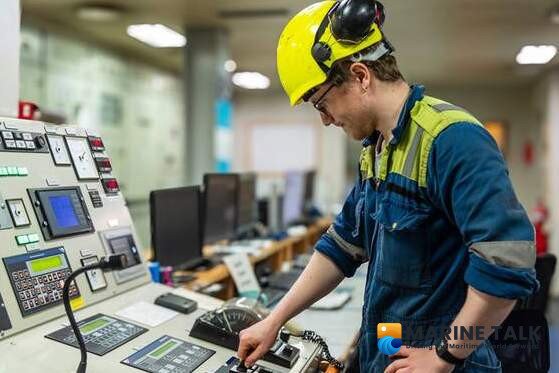
This marks the second collaborative publication from the two organizations. Their work focuses on the environmental impact of batteries within the deep-sea sector. Findings from this latest paper underscore an urgent need for enhanced training programs to accelerate the uptake of sustainable battery solutions.
A Shifting Constraint for Battery Adoption
For years, discussions around integrating battery power into deep-sea shipping centered on overcoming technical challenges. However, the new report fundamentally shifts this perspective. It states that technical issues no longer represent the main constraint for deploying battery-powered vessels. Instead, human capital now presents the greatest barrier.
The industry has made significant strides in battery technology itself. Vessel designs and power management systems have advanced considerably. This progress means the focus must now pivot towards ensuring crews possess the necessary skills to operate and maintain these advanced systems safely and efficiently.
The Urgency of Skill Development
The identified crew training shortfall directly hinders the widespread adoption of battery technology. Without adequately trained personnel, the maritime sector cannot fully leverage the environmental benefits batteries offer. Developing comprehensive training modules and certifications becomes paramount.
A new report by CIMAC and the Maritime Battery Forum identifies a significant crew training shortfall as the primary bottleneck for adopting battery-powered deep-sea vessels. Technical limitations are no longer the main obstacle; instead, human capital presents the greatest barrier. Urgent investment in enhanced training programs is crucial to accelerate the maritime industry's transition to sustainable battery solutions.
Collaborative Research Highlights Impact
CIMAC and the Maritime Battery Forum continue their joint effort to assess battery integration. This second paper specifically investigates the environmental impact of batteries in deep-sea shipping. Their ongoing research provides crucial insights, guiding the industry towards more sustainable practices.
Charting a Course for Sustainable Shipping
Addressing the training gap is essential for the maritime industry to achieve its decarbonization goals. Investing in crew education and development will unlock the full potential of battery-powered vessels. This proactive approach ensures a smoother and faster transition to a greener shipping future.


Leave a Comment