


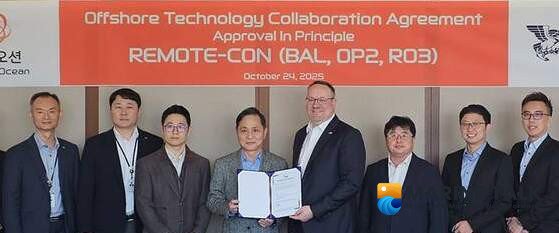
The American Bureau of Shipping (ABS) has granted Approval in Principle (AIP) to Hanwha Ocean Co. Ltd. for its remote control functions designed for Floating Production Storage and Offloading (FPSO) units. This significant milestone underscores a push towards advanced operational capabilities in the offshore energy sector.
Pioneering Remote Operations
This AIP signifies ABS’s official endorsement of Hanwha Ocean’s innovative approach to managing critical offshore assets. The approval paves the way for enhanced efficiency and safety across FPSO operations. It allows operators greater flexibility in overseeing complex processes from a distance.
ABS granted Approval in Principle to Hanwha Ocean for remote control functions on FPSO units. This enhances offshore operational efficiency, safety, and flexibility through distant management. It signifies a growing industry trend towards automation, optimizing costs and reducing human exposure in hazardous environments, positioning Hanwha at the forefront of next-generation solutions.
Rigorous Review Process
ABS conducted extensive design reviews for these remote control functions. Their meticulous assessment ensured compliance with stringent industry benchmarks. This thorough process underlines a commitment to both safety and operational reliability in maritime technology.
The reviews specifically adhered to the ABS Requirements for Autonomous and Remote-Control Functions. These comprehensive guidelines set high standards for integrating advanced control systems into sophisticated offshore operations.
Broader Industry Implications
This project forms part of a broader offshore initiative. It suggests a growing trend towards automation and remote management across the energy sector. Such advancements aim to optimize operational costs and reduce human exposure in potentially hazardous environments.
Hanwha Ocean’s achievement positions the company at the forefront of developing next-generation offshore solutions. The approval contributes to the ongoing evolution of maritime engineering practices, setting a precedent for future remote capabilities.



1 Comment