


For a significant portion of its modern history, the global maritime industry largely relegated geopolitical developments to the periphery. Shipping leaders often treated these events as mere background noise, believing they held little direct bearing on core operations. This long-held perspective has undergone a fundamental transformation, marking a critical shift in how the industry perceives global affairs.
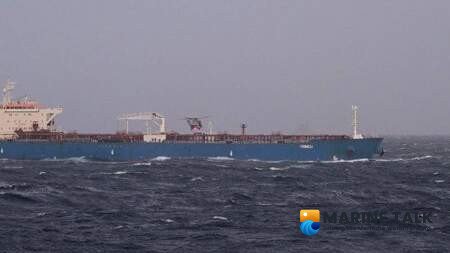
A Historical Detachment
Historically, the maritime sector viewed geopolitical developments as secondary. Industry stakeholders traditionally focused on market dynamics, trade volumes, and operational efficiencies. They perceived political shifts and international tensions as external factors, largely disconnected from their immediate business concerns. This approach allowed the industry to operate with a degree of insulation from broader global political currents.
The Unavoidable Transformation
This traditional perspective is no longer sustainable in the contemporary global environment. Geopolitics has transitioned from a marginal factor to a central, driving force within the shipping sector. It now directly influences decision-making at every level, from route planning to investment strategies. The industry finds itself navigating an increasingly complex and interconnected world.
The maritime industry has fundamentally transformed its view of geopolitics. Once peripheral, global affairs are now a central driver, directly influencing all shipping decisions from routes to investments. Increased global instability necessitates integrating geopolitical analysis into risk management to avoid disruptions.
Geopolitics as a Core Driver
Geopolitics has ascended to the very engine room of shipping, now serving as a primary driver. It critically determines the industry’s strategic direction and operational realities. Companies must integrate geopolitical analysis into their risk assessments and long-term planning. Ignoring these factors can lead to significant disruptions and financial repercussions.
Navigating Increased Instability
Increasing global political instability stands as a significant factor contributing to this fundamental change. Conflicts, trade disputes, and shifts in international alliances directly impact shipping routes, supply chains, and operational costs. The industry confronts a landscape where political events frequently dictate commercial viability and logistical feasibility. This necessitates a proactive and integrated approach to geopolitical risk management.





Leave a Comment