


The strategic positioning of unladen, or empty, tankers serves as a key indicator of how the global shipping industry calculates risk against potential reward. This critical assessment of potential dangers to vessels and their cargoes is the ultimate responsibility of shipowners, managers, and ultimately, the ship masters themselves.
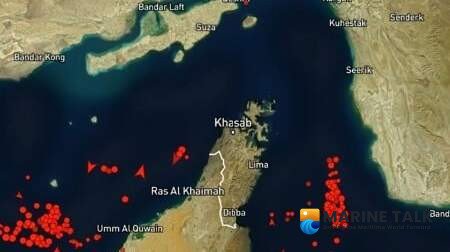
Unladen Tankers as Market Signals
The movement or location of empty tankers provides valuable insight into the shipping industry’s approach to risk-reward calculations. When these vessels position themselves in certain areas, they communicate collective decisions about perceived dangers and anticipated profits. This dynamic interplay helps inform broader market strategies.
Ultimate Responsibility for Vessel Safety
Shipowners and managers bear the ultimate responsibility for assessing risks to their valuable vessels and the commodities they transport. Their decisions directly impact operational safety and financial viability. This duty necessitates constant vigilance and informed judgment regarding maritime conditions.
The strategic positioning of empty tankers indicates how the global shipping industry calculates risk and reward. Shipowners, managers, and masters are ultimately responsible for vessel and cargo safety, balancing it with profitable routes. These movements reflect the industry's complex approach to economic viability.
The Role of Ship Masters
Ship masters also hold this ultimate responsibility for evaluating risks to vessels and cargoes. They make critical, real-time decisions at sea, often under challenging circumstances. Their expertise is paramount in navigating potential hazards and ensuring safe passage for both crew and cargo.
Together, these layers of responsibility ensure a comprehensive approach to maritime safety and economic viability. The industry continuously balances the imperative of secure transport with the pursuit of profitable routes, with empty tanker movements offering a tangible reflection of these complex considerations.
Leave a Comment