


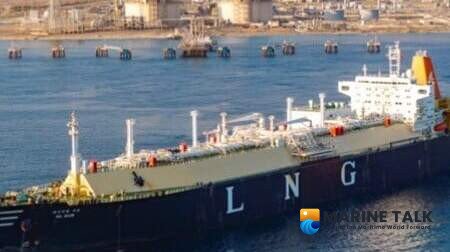
The Atlantic region is currently experiencing a dramatic increase in liquefied natural gas (LNG) shipping rates. This surge directly links to a significant shortage of available vessels. Several factors contribute to this situation, including a rise in LNG production from both West Africa and the United States, coupled with operational delays in discharging cargo at Egyptian LNG terminals. These combined elements effectively reduce overall shipping capacity, intensifying competition for vessels.
Rising Production Fuels Demand Across the Atlantic
Increased LNG output from West African nations plays a role in the heightened demand for shipping. As these producers boost their liquefaction activities, more cargo enters the Atlantic basin. This necessitates a greater number of specialized carriers to transport the gas to various global markets, particularly those in Europe and Asia.
Simultaneously, the United States has also significantly ramped up its LNG production. American terminals are processing and exporting record volumes, primarily destined for European markets to meet energy security needs. This substantial increase in transatlantic voyages places further strain on the existing fleet of LNG carriers, driving up charter rates.
Atlantic LNG shipping rates are surging due to a critical vessel shortage. Increased LNG production from West Africa and the U.S., combined with operational delays at Egyptian terminals, are reducing shipping capacity. This intensifies competition for available carriers, driving up costs in the market.
Operational Delays Strain Fleet Capacity
Delays in LNG discharge operations at Egyptian terminals represent another critical factor exacerbating the vessel shortage. When carriers face prolonged waits at port, they remain out of service for extended periods. This effectively reduces the active shipping capacity available in the Atlantic market.
These operational bottlenecks create a ripple effect throughout the shipping network. Each vessel tied up in an Egyptian port for longer than anticipated cannot proceed to its next charter. This diminishes the pool of ships for immediate booking, contributing directly to the tight market conditions and escalating costs for charterers.
Market Dynamics: The Short Squeeze
The interplay of increased production and reduced effective capacity has created a “short squeeze” in the LNG shipping market. A short squeeze occurs when demand for a commodity, in this case, vessel space, significantly outstrips its immediate availability. This compels charterers to bid higher prices to secure the necessary transport.
Consequently, companies needing to move LNG face substantially elevated costs to charter vessels. This competitive environment impacts supply chain logistics and potentially affects the final price of natural gas for consumers. The current market dynamics reflect a complex challenge for the global energy sector.
2 Comments