


Discussions surrounding the health and advanced age of Iran‘s Supreme Leader, Ali Khamenei, have become remarkably open within the country. This unprecedented transparency significantly elevates the potential for an imminent succession battle for Iran’s highest leadership position. The eventual outcome will undoubtedly shape the nation’s domestic and international trajectory.
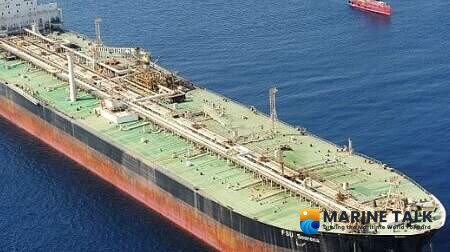
Amidst these critical internal deliberations, an unexpected group has reportedly entered the conversation. Billionaire oil traders, often associated with the clandestine “Dark Fleet,” are engaging in discussions and offering their unique perspectives on Iran’s evolving succession dynamics. Their involvement underscores the far-reaching implications of this political transition.
The Looming Succession Challenge
The Supreme Leader holds ultimate authority in Iran. His decisions guide state policy, foreign relations, and military strategy. Consequently, any change in this pivotal role carries immense weight, both domestically and across the wider Middle East. The current open dialogue about Khamenei’s health marks a significant shift from previous, more guarded approaches.
Open discussions about Iran's Supreme Leader's health signal an imminent succession battle, crucial for the nation's future. Unexpectedly, "Dark Fleet" billionaire oil traders are involved, highlighting the profound global economic and geopolitical stakes, particularly for energy markets and stability.
Understanding the Supreme Leader’s Role
Iran’s constitution vests the Supreme Leader with comprehensive powers. This includes control over the judiciary, military, and state media. The Assembly of Experts, a body of 88 clerics, selects the next leader. This process often lacks transparency, making external analyses particularly challenging.
The “Dark Fleet” and Geopolitical Stakes
The reported involvement of billionaire oil traders, often operating outside conventional market structures, highlights global economic ramifications of Iran’s leadership transition. These “Dark Fleet” operators specialize in moving oil under complex circumstances. They frequently navigate sanctions and geopolitical tensions. Their insights stem from a deep understanding of energy markets directly impacted by Iranian stability.
Economic and Strategic Implications
Iran remains a key player in global energy markets. A succession period introduces considerable uncertainty, potentially affecting oil production, export routes, and regional stability. For traders in high-risk environments, understanding these internal power shifts proves crucial. It helps them anticipate future market movements and mitigate potential disruptions. Their analyses likely focus on how different potential successors might influence Iran’s oil policy and its international relationships.
1 Comment