


Global shipping faces profound transformation, driven by urgent sustainability mandates. Within this evolving landscape, Liquefied Natural Gas (LNG) has dramatically reshaped its identity. Once considered an alternative, LNG now holds a foundational ‘anchor’ status. This reflects a strategic pivot towards cleaner energy solutions across the maritime sector.
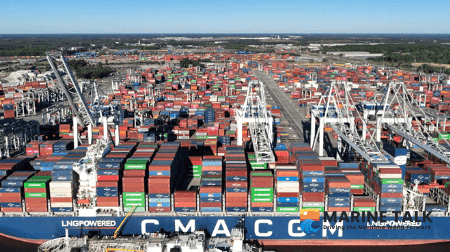
Catalysts for Adoption
Environmental regulations significantly accelerated LNG’s uptake. The IMO 2020 sulfur cap prompted shipping companies to seek compliant fuels. LNG offered a readily available solution, effectively reducing sulfur oxides and particulate matter emissions.
Operational benefits also fueled this transition. LNG-powered engines emit fewer nitrogen oxides. They often provide a stable, predictable fuel price, enhancing overall attractiveness for operators.
Liquefied Natural Gas (LNG) has transformed into a foundational fuel for global shipping, propelled by environmental and operational drivers. It offers immediate emissions reductions, serving as a crucial transitional fuel for decarbonization. Expanding infrastructure and future renewable forms ensure LNG's central role in achieving environmental goals.
Expanding Infrastructure and Fleet
The global fleet of LNG-fueled vessels has expanded rapidly. New vessel orders consistently include LNG dual-fuel engines. This demonstrates strong industry confidence across tankers, container ships, and cruise liners.
A robust LNG bunkering infrastructure developed worldwide to support this growth. Major port hubs now offer dedicated refueling services. This expanding network ensures vital operational flexibility for vessels.
Pathways to Decarbonization
LNG serves as a crucial transitional fuel on shipping’s journey to net-zero emissions. While a fossil fuel, its lower carbon intensity provides immediate greenhouse gas reductions compared to traditional heavy fuel oil. It acts as a vital stepping stone for the industry.
Future developments integrate Bio-LNG and synthetic LNG (e-LNG). These renewable alternatives promise to further decarbonize shipping, leveraging existing infrastructure. Research also targets mitigating methane slip, continuously improving engine efficiency and environmental performance.
LNG’s evolution from an alternative to an anchor fuel marks a significant milestone in maritime sustainability. It provides a tangible solution for immediate emissions reductions. As technology advances and greener derivatives emerge, LNG will undoubtedly remain central to the industry’s ambitious environmental goals.






6 Comments