


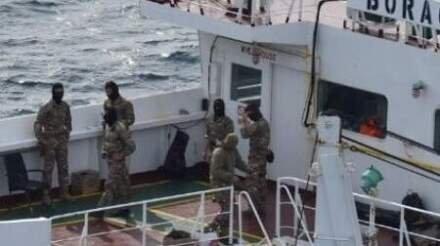
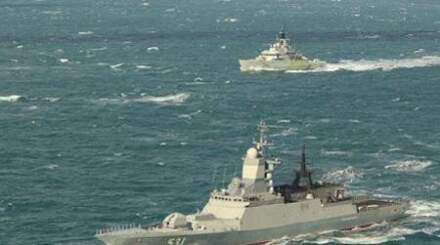
Since 2022, Russia has markedly escalated its deployment of illegal, coercive, aggressive, and deceptive (ICAD) maritime tactics within the Baltic Sea. These actions, often characterized as ‘gray zone‘ activities, operate below the threshold of conventional conflict, creating ambiguous challenges.

This surge in activity has prompted strong reactions from international figures. The new NATO chief, Mark Rutte, recently remarked that ‘Russia is already escalating its covert campaign against our societies,’ assessing Russia’s posture toward Europe.
Escalating Maritime Operations
The reported increase in Russian maneuvers since 2022 involves a range of illegal, coercive, aggressive, and deceptive methods. These operations aim to exert influence and test boundaries. They consistently challenge established international maritime norms, fostering unpredictability in the region.
Since 2022, Russia has escalated "gray zone" maritime tactics in the Baltic Sea, using illegal, coercive, aggressive, and deceptive methods. These actions operate below conventional conflict, challenging international norms. NATO chief Mark Rutte views this as an intensifying covert campaign against societies, posing serious, ambiguous threats.
Understanding ‘Gray Zone’ Activities
The term ‘gray zone’ accurately describes these ambiguous operations. They exist between peace and open warfare, allowing states to pursue strategic objectives. This approach avoids clear attribution or direct military responses. Such deniable actions make formulating proportionate responses difficult for affected nations.
NATO’s Concerns and Broader Implications
NATO chief Mark Rutte has voiced significant apprehension regarding Russia’s actions. His assessment highlights a broader pattern of escalation. Rutte specifically noted Russia is intensifying its ‘covert campaign against our societies,’ underscoring a multifaceted threat.
This threat extends beyond traditional military engagements. It includes indirect pressures on civilian infrastructure and societal cohesion. The alliance views these developments with seriousness, closely monitoring the evolving situation in the Baltic Sea.





Leave a Comment