


Title: Global Shipping Reroutes Amid Hormuz Disruption
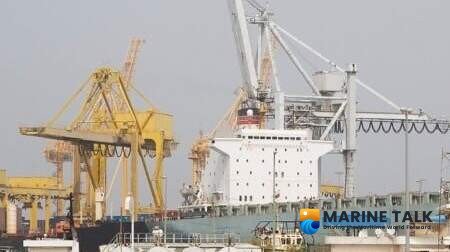
The recent shutdown of the Strait of Hormuz has sharply focused global attention on the critical flow of commodities originating from the Arabian Gulf. This vital maritime passage accounts for a substantial portion of worldwide supply. Specifically, it facilitates the movement of 20 percent of the world’s goods from this region, underscoring its indispensable role in international commerce. Such a significant disruption inevitably demands a strategic response from the shipping industry.
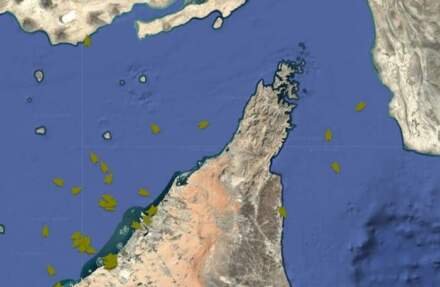
Strait of Hormuz: A Vital Maritime Artery
The Strait of Hormuz stands as a pivotal chokepoint in global trade. Its narrow waters connect major oil-producing nations in the Middle East to markets across the globe. Any interruption here creates immediate and widespread concern for energy security and supply chain stability. The current shutdown impacts vast volumes of commodities, affecting numerous industries worldwide.
Industry Responds to Logistical Challenges
Ocean carriers face immense pressure to maintain the integrity of global supply chains. With the Strait of Hormuz inaccessible, these companies must rapidly devise and implement alternative logistical strategies. Their primary goal remains ensuring the continuous flow of essential goods to consumers and industries globally. This situation necessitates swift and decisive operational adjustments.
The critical Strait of Hormuz shutdown, impacting 20% of Arabian Gulf goods, severely disrupts global supply chains. The shipping industry is rapidly implementing alternative overland routes to reroute cargo, maintaining essential commodity flow. This demonstrates industry resilience amidst major trade disruptions.
Implementing Overland Alternatives
In response to the closure, ocean carriers are actively adapting their operations by utilizing alternative overland routes. This significant shift involves rerouting cargo that would typically travel by sea through the Strait. Goods are now being transported via land-based networks, requiring complex coordination and new logistical arrangements. This operational pivot ensures commodities still reach their destinations, albeit through different channels.
This strategic adaptation highlights the shipping industry’s capacity for resilience and rapid response during crises. While overland routes present their own set of logistical challenges, the industry’s swift implementation demonstrates a commitment to mitigating the impact of major disruptions on global trade.



Leave a Comment