


Lamu Port on Kenya’s coast now handles significantly more cargo. Its throughput has surged by an impressive 900 percent. This dramatic increase directly links to ongoing global shipping disruptions. Ocean carriers are actively developing new contingency plans for cargo originally bound for the Gulf region. This strategic realignment benefits ports across the East African coast, positioning them as vital alternatives.
Global Disruptions Drive New Routes
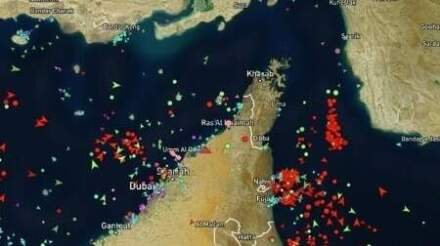
Recent upheavals in international shipping lanes compel ocean carriers to rethink established routes. These disruptions create significant challenges for delivering goods to the Gulf region. Consequently, shipping companies seek reliable alternative transit points. This search redirects a substantial volume of maritime traffic. Ports outside traditional pathways are now gaining unprecedented attention.
Lamu Port in Kenya experienced a 900% surge in cargo throughput, a direct result of ongoing global shipping disruptions. Ocean carriers are redirecting cargo originally bound for the Gulf region to East African ports, positioning them as vital alternative hubs. This strategic realignment underscores Lamu's new critical role in global logistics.
East Africa‘s Growing Strategic Role
Ports along the East African coastline emerge as key beneficiaries of these global shifts. Their geographic location offers a viable solution for redirected cargo. Carriers view these ports as crucial hubs for maintaining supply chain stability. This new importance positions East Africa as an increasingly critical player in global logistics.
Lamu Port’s Unprecedented Growth
Lamu Port stands out among these emerging hubs. Its cargo throughput has soared by 900 percent, a testament to its newfound strategic importance. This rapid expansion reflects a direct response to the altered shipping landscape. The port now serves a vital role in handling redirected shipments, minimizing delays for global trade.
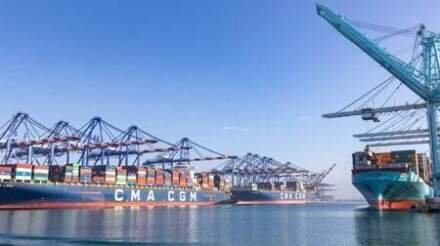
The port’s capacity and infrastructure are proving instrumental in accommodating this increased volume. Its ability to absorb and process a ninefold rise in cargo highlights its operational readiness. This surge underscores the dynamic nature of global trade and the swift adaptability required from maritime infrastructure.


Leave a Comment