


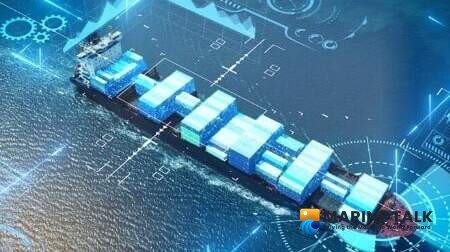
Global maritime supply chains, once mere background infrastructure, now stand as critical arteries vulnerable to disruption. In an increasingly “weaponized world,” these vital networks face unprecedented threats, demanding enhanced transparency. A recent article by Mikael Lind, Wolfgang Lehmacher, Mattias Elfström, Sandra Haraldson, and Johan Östling highlights this shift, advocating for collaborative data sharing.
The Evolving Threat Landscape
Geopolitical tensions have transformed global supply chains into potential targets. No longer just economic conduits, these networks are vulnerable to disruptions from cyberattacks to deliberate blockades. This heightened risk demands re-evaluating logistics management.
Global maritime supply chains face unprecedented threats, demanding enhanced transparency. The article proposes "Shared Radar," a concept for collaborative data sharing across the maritime sector. This unified intelligence aims to bolster collective security and resilience against systemic disruptions in a "weaponized world.
Beyond Traditional Risks
Supply chain management traditionally focused on efficiency and cost. Today’s challenges extend beyond, encompassing state-sponsored interference and complex security threats. Understanding these new dimensions requires proactive strategies.
The Imperative for Enhanced Visibility
Greater resilience in this volatile landscape hinges on improved visibility. Enhanced transparency allows stakeholders to anticipate disruptions, identify bottlenecks, and react swiftly. Without clear insight, vulnerabilities remain exposed.
Introducing “Shared Radar“
The “Shared Radar” concept proposes unified information and data sharing across the maritime sector. This collaborative framework aims to pool intelligence, offering a holistic view of global shipping and potential threats. Such shared insights bolster collective security and operational understanding.
A Unified Approach to Resilience
Individual efforts alone prove insufficient against systemic risks. A truly resilient maritime supply chain requires collective action and mutual trust. Implementing “Shared Radar” fosters this cooperation, transforming isolated data into actionable intelligence.
The call for enhanced maritime supply chain visibility marks a pivotal moment. Moving beyond traditional paradigms, adopting collaborative intelligence like “Shared Radar” offers a path to greater security and stability. As the world navigates escalating complexities, transparent, shared information becomes an indispensable asset for safeguarding vital economic arteries.
Leave a Comment