


A crisis in the Middle East has led to the shutdown of the Strait of Hormuz, a critical chokepoint for global oil transit. This closure has severely disrupted international oil supplies, creating immediate concerns for energy markets worldwide.
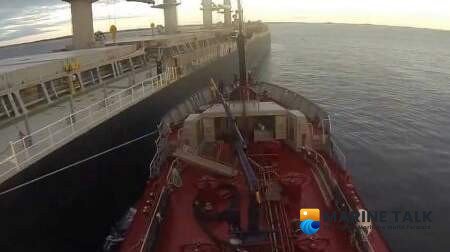
Global Energy Chokepoint Disrupted
The Strait of Hormuz is vital for the movement of a significant portion of the world’s crude oil and refined products. Its closure instantly bottlenecks a crucial supply artery. This disruption translates directly into scarcity for many nations reliant on these shipments.
Bunker Fuel Prices Soar Worldwide
Consequently, bunker fuel prices have sharply increased around the world. The sudden reduction in available oil supplies directly impacts the cost of marine fuels. Shipping companies now face significantly higher operational expenses for every voyage.
A Middle East crisis has closed the Strait of Hormuz, severely disrupting global oil supplies and causing bunker fuel prices to soar worldwide. This dramatically increases operational costs for the entire shipping industry, leading to widespread market volatility and significant challenges for global trade and logistics.
Market Volatility Escalates
The global nature of these price hikes means no region remains unaffected. Fuel costs, a primary expense for shipping, have seen rapid escalation. This volatility introduces considerable uncertainty into an already complex logistics landscape.
Widespread Impacts Across Shipping Industry
These rising bunker prices are causing widespread impacts across the entire shipping industry. Every segment, from container lines to bulk carriers and tankers, must contend with these elevated costs. Companies are re-evaluating routes and operational strategies.
Operational Challenges Emerge
Shipping operators now grapple with the challenge of absorbing or passing on these increased expenses. Freight rates are likely to adjust, impacting global trade and supply chains. Maintaining profitability becomes a more significant hurdle in this environment.






Leave a Comment