


China actively pursues a global port investment strategy, channeling capital into both high-income and low-income countries. This dual approach signals widespread engagement in maritime infrastructure development. A protracted port dispute in Panama, involving Chinese operator CK Hutchison, illustrates how strategically important harbors become flashpoints. This incident underscores geopolitical sensitivities surrounding foreign involvement in critical maritime assets.
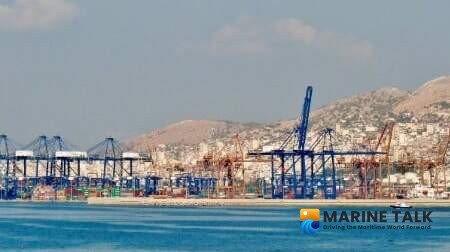
China’s Dual Maritime Investment Strategy
China’s port investment pattern is not monolithic; Beijing strategically allocates resources across diverse economies. This strategy aims to secure crucial links in global supply chains. It also expands China’s economic and political influence worldwide.
China's global port investment strategy targets both high-income and developing nations to secure supply chains and expand influence. However, as the Panama dispute illustrates, such foreign involvement in critical maritime infrastructure carries significant geopolitical risks and raises national security concerns.
High-Income Nations and Strategic Access
In high-income nations, Chinese investments often target major transshipment hubs. These ports offer advanced infrastructure and direct access to lucrative markets. Such engagements facilitate trade flows and integrate China deeper into global commerce.
Developing Nations and Infrastructure Growth
Conversely, in low-income countries, China frequently supports new port construction or significant upgrades. These projects improve local infrastructure and boost regional trade. For China, these investments secure access to raw materials and extend its Belt and Road Initiative’s reach.
Panama: A Geopolitical Flashpoint
The ongoing situation in Panama starkly exemplifies the complexities of these global port ventures. The dispute involves a key maritime chokepoint. Control over such channels holds immense strategic value, impacting global shipping and trade routes significantly.
The CK Hutchison Controversy
Chinese operator CK Hutchison finds itself at the center of this controversy. Its involvement in Panama’s crucial port operations draws international scrutiny. This incident highlights the potential for foreign-operated infrastructure to ignite political tensions and raises national security questions.
China’s expansive port investment model, spanning varied economic landscapes, demonstrates clear strategic intent. However, as the Panama dispute shows, such investments carry inherent geopolitical risks. Nations increasingly scrutinize foreign control over vital maritime infrastructure, a trend likely to shape future international maritime policies.



Leave a Comment