


For decades, maritime operations were largely governed by tradition, relying on paper logs, phone calls, and manual entries to coordinate one of the world’s most complex and critical global industries. This established approach is now giving way to a new paradigm. Artificial intelligence, advanced analytics, and automation are emerging as the defining forces, ushering in a transformative era for how maritime operations are managed and executed.
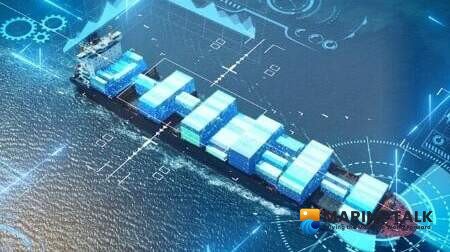
The Evolution of Maritime Practices
The maritime industry historically prioritized established practices. Manual data entry and direct communication methods formed the backbone of global shipping coordination. This traditional framework, while effective for many years, faced inherent limitations in speed and data processing.
Today, a significant shift is underway. The sector actively embraces modern technologies. This transition moves beyond incremental improvements, fundamentally redefining operational strategies across the board.
Maritime operations are shifting from traditional, manual methods to a new paradigm defined by AI, advanced analytics, and automation. These technologies are fundamentally transforming the industry, significantly enhancing efficiency, safety, and decision-making across global shipping by optimizing routes, streamlining workflows, and providing predictive insights.
Artificial Intelligence at the Helm
Artificial Intelligence (AI) is becoming a key component in these new operational strategies. AI systems process vast amounts of data, offering predictive insights. They enhance decision-making, optimizing routes and improving logistical planning.
AI’s integration allows for more proactive management of vessels and cargo. It identifies potential issues before they escalate. This capability significantly boosts efficiency and safety across the entire supply chain.
Leveraging Advanced Analytics
Advanced analytics are now central to enhancing decision-making and overall efficiency. These sophisticated tools interpret complex datasets. They reveal patterns and trends previously undetectable through manual review.
Analytics provide actionable intelligence, guiding strategic choices in real-time. This includes optimizing fuel consumption, managing fleet performance, and predicting market demands. Such data-driven insights empower maritime operators with a clear competitive edge.
Automation Transforms Workflows
Automation is fundamentally transforming various aspects of maritime operations. It streamlines repetitive and labor-intensive tasks. This ranges from automated cargo handling to autonomous vessel navigation systems.
The implementation of automation reduces human error and increases operational speed. It enhances safety protocols and optimizes resource allocation. This widespread transformation impacts logistics, port operations, and onboard processes, creating a more efficient and resilient industry.




Leave a Comment