


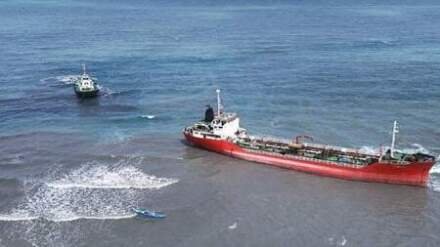
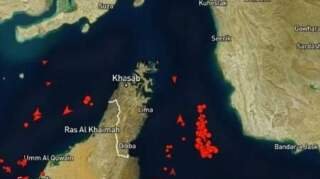
Iranian forces intercepted an American tanker in the critical Strait of Hormuz on Tuesday. This incident, one of two distinct occurrences reported within the region’s vital waterways that day, underscored a significant escalation of tension. This situation unfolds amidst the Trump administration’s policies.
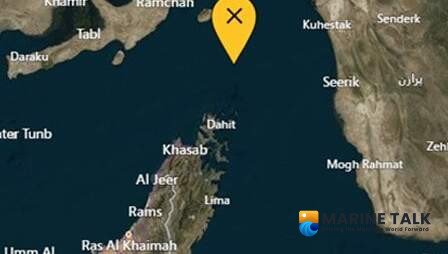
The Interception and its Context
The American tanker’s interception by Iran immediately drew international attention. This event highlights the strategic importance of the Strait of Hormuz, a narrow passage crucial for global oil shipments.
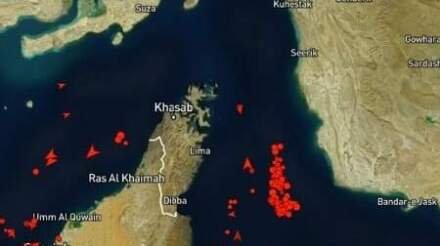
The interception occurred alongside another reported incident in the Strait on the same day. These dual occurrences vividly illustrate the precarious security environment characterizing the region’s maritime routes.
Iranian forces intercepted an American tanker in the Strait of Hormuz, one of two incidents that day, highlighting escalating tensions. This critical waterway, vital for global oil shipments, is a flashpoint amid heightened US-Iran friction under Trump administration policies, impacting regional stability and international shipping.
Strategic Waterway Importance
The Strait of Hormuz connects the Persian Gulf to the open ocean. It serves as a critical conduit for a substantial portion of the world’s oil supply. Any disruption within this waterway carries significant global economic and geopolitical ramifications.
Geopolitical Undercurrents
These recent events unfold against a backdrop of heightened friction between the United States and Iran. Trump administration policies have intensified pressure on Tehran, leading to increased volatility across the Middle East.
The repeated demonstrations of Iranian military presence and assertiveness in these waters signal a complex and challenging environment. This situation impacts international shipping and overall regional stability.


Leave a Comment