


The convergence of escalating security risks in the Red Sea and the accelerating melt of Arctic ice is reshaping global shipping strategies. With the Red Sea corridor now a live-fire zone posing significant danger to seafarers, international planners are actively exploring new maritime pathways.
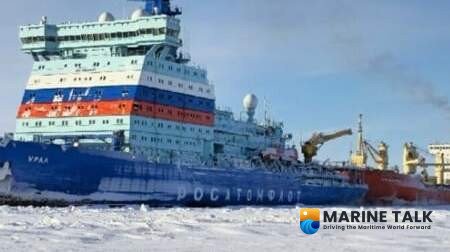
This situation brings the “Arctic Bypass” into sharp focus as a viable alternative. Particularly, receding ice makes northern routes more accessible. This emerging Arctic route is considered a strategic bypass to existing, often US-centric, shipping networks.
Red Sea Dangers Prompt New Strategies
Recent live-fire attacks in the Red Sea corridor have created severe security challenges. These incidents place seafarers and cargo at considerable risk. Consequently, shipping companies face increased insurance costs and potential delays. This volatile environment compels the industry to seek safer transit options.
Arctic Melt Unlocks Northern Passages
Simultaneously, the rapid melting of Arctic ice transforms previously impassable waters. This environmental shift opens up new shipping lanes across the top of the world. These northern routes offer shorter distances for journeys between Asia and Europe, for example. Such accessibility enhances the appeal of an Arctic alternative.
Escalating Red Sea security risks and accelerating Arctic ice melt are reshaping global shipping strategies. The newly accessible Arctic Bypass is emerging as a strategic alternative, offering shorter routes and circumventing traditional, often US-centric, networks, thereby prompting a rebalancing of international maritime trade.
The Strategic ‘Arctic Bypass’
Planners now actively consider the Arctic Bypass as a significant alternative. This route could circumvent traditional choke points and established shipping lanes. Many of these existing networks often center around US influence. The Arctic Bypass offers a potential rebalancing of global maritime trade routes.
This strategic shift reflects a broader reevaluation of global supply chain vulnerabilities. As risks in conventional routes persist, the Arctic’s increasing navigability presents a compelling, albeit challenging, new frontier for international commerce.


Leave a Comment