


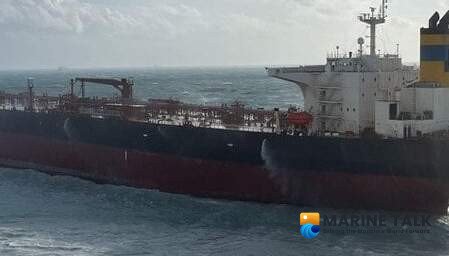
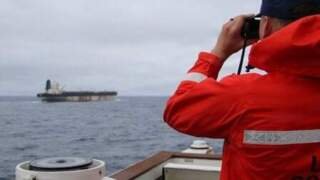
Turkish authorities have successfully refloated a “shadow fleet” tanker after it remained grounded for 12 days. The vessel, previously targeted by Ukraine, was finally pulled from the rocks. This complex maritime operation concluded a challenging period for the ship and those involved in its recovery.
The Refloating Operation
Turkish officials spearheaded the extensive effort to free the tanker. Crews worked diligently for nearly two weeks to dislodge the vessel from its perilous position. The operation required specialized equipment and careful coordination from multiple teams. Its successful completion highlights the significant challenges of managing maritime incidents involving such ships.
Turkish authorities successfully refloated a "shadow fleet" tanker after 12 days grounded, a vessel previously attacked by Ukraine. This complex operation underscores the challenges of managing unregulated ships transporting sanctioned oil amid escalating regional maritime tensions and risks.
Understanding the “Shadow Fleet”
This incident involves a tanker operating within the so-called “shadow fleet.” These vessels often operate outside traditional shipping regulations and international oversight. They frequently transport sanctioned oil, navigating complex legal and geopolitical landscapes. Their activities pose unique challenges for maritime authorities and environmental regulators alike.
Prior Attack and Regional Tensions
Before its grounding, the tanker faced an attack attributed to Ukraine. This event underscores the escalating tensions and inherent risks in the region’s shipping lanes. Such incidents complicate international commerce and maritime safety significantly. They also highlight the vulnerabilities of vessels operating in contested waters.
Conclusion of a Protracted Salvage
The successful refloating marks the end of a protracted and challenging salvage mission. It also brings renewed international attention to the operational risks associated with shadow fleet tankers. Authorities will likely continue to monitor the vessel’s status and its future movements closely. This incident serves as a reminder of ongoing maritime complexities.


Leave a Comment