


Title: Germany Denies Baltic Passage to Sanctioned Tanker

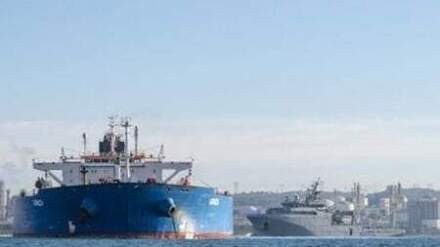
Reports indicate the German Federal Police are intensifying their enforcement efforts concerning shipping attempting to enter the nation’s territorial waters. This heightened scrutiny recently resulted in Germany denying passage through the Baltic Sea to a tanker described as a “sanctioned zombie vessel.” The incident underscores a growing commitment to maritime security and adherence to international sanctions.
Increased Maritime Enforcement
The German Federal Police have notably stepped up their vigilance. These efforts specifically target vessels attempting to navigate into Germany’s territorial waters. Authorities aim to ensure compliance with national and international regulations, preventing unauthorized or illicit shipping activities.
This increased focus reflects a broader strategy to enhance security across crucial shipping lanes. Germany maintains a proactive stance on maritime safety and law enforcement. Regular patrols and inspections contribute to this robust oversight.
Baltic Sea Incident Unfolds
Amidst this intensified scrutiny, a significant incident occurred in the Baltic Sea. German authorities encountered a tanker identified as a “sanctioned zombie vessel.” Following established protocols, Germany refused the vessel passage.
The denial of passage highlights the direct impact of the German Federal Police’s increased enforcement. It demonstrates their resolve in addressing vessels operating under international sanctions. Such actions reinforce the legal framework governing maritime traffic.
Germany's Federal Police denied passage to a "sanctioned zombie vessel" in the Baltic Sea, reflecting intensified maritime enforcement. This action underscores Germany's commitment to international sanctions and maritime security, sending a clear message about compliance to all vessels and signaling potential for stricter regional controls.
The “Sanctioned Zombie Vessel” Designation
The term “sanctioned zombie vessel” points to a ship operating under various international restrictions. Often, these vessels operate with obscured ownership or registration, posing potential risks. Germany’s firm stance against this particular tanker underscores the seriousness of its sanctioned status.
Implications for Regional Shipping
This incident sends a clear message to other vessels that might attempt to bypass sanctions. Germany’s action reinforces the importance of compliance for all maritime operators in its waters. Regional shipping companies and international entities must adhere strictly to regulations.
The event also signals a potential trend among European nations to tighten their maritime borders. Countries bordering crucial waterways may increase their surveillance and enforcement. This could lead to stricter controls and greater accountability across the continent’s shipping routes.




Leave a Comment