


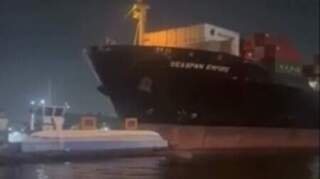
Singapore’s Transport Safety Investigation Bureau (TSIB) has released its final report into a fatal maritime accident from July 2024. The incident involved an oil tanker operated by Hafnia, which collided with an anchored vessel in Singaporean waters. This comprehensive investigation sheds light on the critical factors contributing to the tragic event.
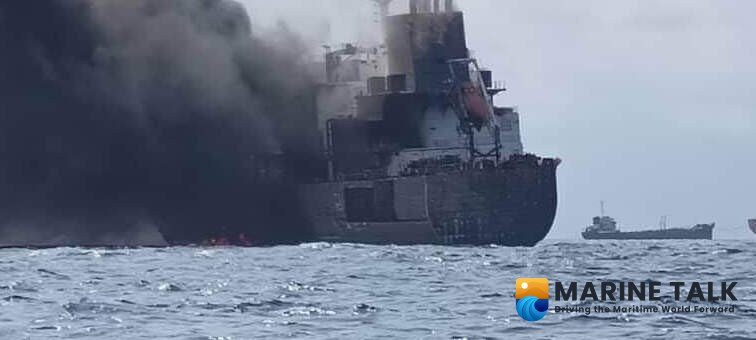
Key Factors in Maritime Incident
The TSIB report meticulously details the circumstances surrounding the collision. Investigators identified several interconnected issues that ultimately led to the accident. Their findings underscore the complex nature of maritime safety and the necessity of robust operational protocols.
Singapore's TSIB investigated a fatal July 2024 oil tanker collision, identifying crew fatigue, inadequate manning, and systemic safety culture issues as key factors. The report stresses the need for improved crew welfare, proper staffing, and reinforced safety standards within the maritime industry to prevent future tragedies.
Crew Fatigue Identified
A primary contributing factor cited in the report was significant crew fatigue. Such exhaustion can severely impair judgment and reaction times, critical elements for safe navigation and emergency response. The investigation highlighted how prolonged duty periods or insufficient rest compromises crew effectiveness, increasing accident risks.
Challenges with Manning Levels
In addition to fatigue, the TSIB report pointed to concerns regarding manning levels onboard the Hafnia tanker. Inadequate staffing can place undue pressure on the existing crew, leading to overwork and, consequently, fatigue. This situation creates a cascading effect, where fewer hands must manage demanding tasks, potentially overlooking critical safety procedures.
Systemic Safety Culture Concerns
The investigation also brought to light deficiencies within the overall safety culture. A strong safety culture promotes vigilance, adherence to protocols, and open reporting of hazards. The TSIB’s findings suggest a need for re-evaluation and reinforcement of safety practices to prevent similar incidents. This aspect often reflects broader organizational commitments to maritime safety.
The TSIB’s final report offers crucial insights for the maritime industry. It emphasizes the need for continuous vigilance regarding crew welfare, appropriate staffing, and fostering an unyielding commitment to safety standards. Adhering to these principles remains paramount for preventing future tragedies at sea.



Leave a Comment