


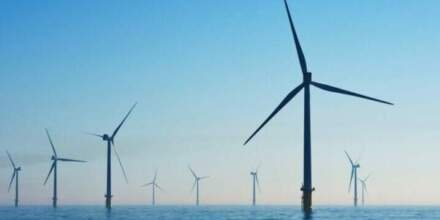
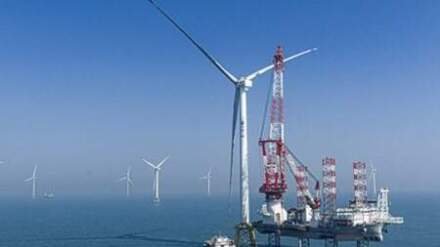
The Trump administration announced on Monday the suspension of leases for five major offshore wind projects. These large-scale developments, located off the U.S. East Coast, were actively under construction. Citing “national security concerns,” the administration’s decision immediately triggered a sharp decline in the shares of offshore wind companies.

Executive Action on Energy Development
The White House confirmed its decision to halt the progress of these significant energy initiatives. This move directly impacts the ongoing development of renewable energy infrastructure along the nation’s coastline. The administration acted decisively to implement this suspension.
The Trump administration suspended leases for five major offshore wind projects under construction off the U.S. East Coast, citing "national security concerns." This decision immediately halted significant renewable energy developments, causing a sharp decline in the shares of offshore wind companies and creating market uncertainty regarding future projects.
Scope of Affected Projects
Five distinct offshore wind projects now face an uncertain future. Each project involves considerable investment and infrastructure, aiming to harness wind power from the Atlantic Ocean. Developers had already begun construction phases, making the suspension a substantial setback for these specific ventures.
Reasoning for the Suspension
The stated justification for the lease freeze centers on “national security concerns.” Officials did not immediately provide further details regarding the specific nature of these concerns. This broad declaration leaves the industry and public awaiting clarification on the perceived risks.
Immediate Market Repercussions
The announcement sent shockwaves through the financial markets. Shares of companies involved in offshore wind development plummeted following the news. Investors reacted quickly to the sudden regulatory uncertainty, reflecting concerns about future project viability and investment security within the sector.
The suspension marks a significant intervention in the U.S. renewable energy landscape. It raises questions about the future trajectory of offshore wind power development and the stability of large-scale infrastructure projects. The industry now faces a period of evaluation and adjustment in response to this governmental action.




Leave a Comment