


Title: LA Port Braces for Sustained Container Volume Drop
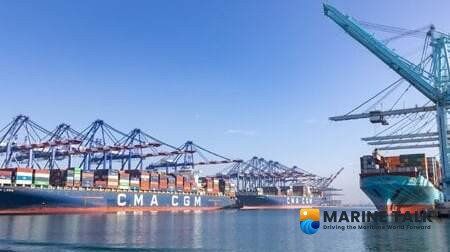
The Port of Los Angeles is forecasting continued weakness in its container volumes. This anticipated downturn will likely extend throughout the first quarter of 2026. The forecast follows a notable 12 percent decline recorded in January. This significant drop signals potential challenges ahead for one of North America’s busiest trade gateways.
Understanding Container Volume Shifts
Container volumes serve as a vital barometer for economic health and global trade activity. A decline in these numbers indicates reduced movement of goods, often reflecting shifts in consumer demand or manufacturing output. The Port of Los Angeles processes a vast array of imported and exported goods, making its performance a key indicator for broader economic trends. When fewer containers move through the port, it impacts numerous aspects of the supply chain.
The Port of Los Angeles forecasts a sustained drop in container volumes, following a 12% decline in January, expected to continue through Q1 2026. This signals ongoing challenges for global trade, reflecting broader economic weakness, shifts in consumer demand, and manufacturing output, impacting supply chains and logistics.
Factors Influencing Port Activity
Several general economic forces can contribute to fluctuating port volumes. Global economic slowdowns often reduce demand for goods, directly impacting shipping needs. Changes in consumer spending patterns, perhaps shifting from goods to services, also play a role. Additionally, businesses may adjust inventory levels, leading to fewer orders and thus fewer containers traversing the oceans. These broader trends collectively shape the landscape for major shipping hubs like Los Angeles.
Implications for Trade and Supply Chains
A sustained period of lower container volumes at a major port can have ripple effects. Shipping lines may adjust their schedules or capacity, affecting freight rates and transit times. Trucking companies and logistics providers also experience changes in demand for their services. For retailers and manufacturers, understanding these port forecasts helps them plan inventory and supply chain strategies. The port’s performance directly links to the efficiency and cost-effectiveness of global trade.
The Road Ahead for Q1 2026
The Port of Los Angeles’s projection for continued weakness through the first quarter of 2026 suggests a challenging period. Stakeholders across the logistics and retail sectors will closely monitor these figures. Port authorities often adapt operations and work with partners to manage such fluctuations. This forecast highlights the dynamic nature of international trade and the need for ongoing vigilance in the global supply chain.





Leave a Comment