


Supply chain technology provider WiseTech Global has announced a strategic partnership with shipping company Hapag-Lloyd. This collaboration marks the launch of a pilot program focused on integrating Internet of Things (IoT) technology.
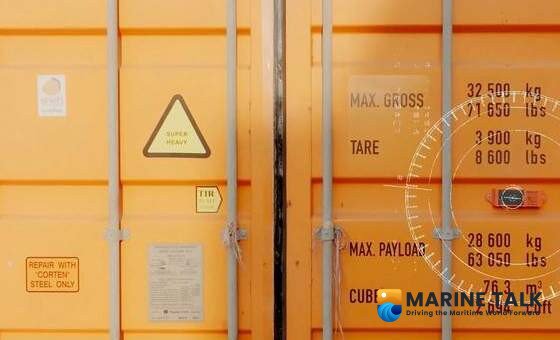
The initiative aims to enhance real-time global visibility, tracking, and comprehensive data collection for shipping containers, specifically across Hapag-Lloyd’s fleet.
Enhancing Global Supply Chain Visibility
The primary objective of this pilot program is to revolutionize container management. Companies often face challenges in monitoring their cargo’s exact location and status. This partnership directly addresses those pain points.
WiseTech Global and Hapag-Lloyd intend to establish a new standard for transparency. They seek to provide unparalleled insight into container movements worldwide.
WiseTech Global and Hapag-Lloyd partnered on an IoT pilot program to enhance real-time global visibility and data collection for shipping containers. This aims to revolutionize tracking, providing unparalleled insight into movements, improving supply chain efficiency, and increasing transparency.
Real-Time Data Collection
A core component of the initiative involves real-time data collection. IoT devices attached to containers will transmit continuous updates. This stream of information includes location, temperature, and other vital environmental factors.
The collected data offers valuable insights. It allows for proactive decision-making and improved operational efficiency across the entire supply chain.
The Role of IoT Technology
Internet of Things technology forms the backbone of this tracking solution. IoT devices integrate sensors and connectivity into physical objects. For shipping containers, this means constant communication capabilities.
This integration facilitates the immediate transmission of critical information. It moves beyond traditional, often delayed, tracking methods.
Impact on Logistics Operations
The pilot program promises significant advancements for logistics operations. Shippers gain greater control and predictability over their cargo. This reduces uncertainties inherent in global transportation.
Improved tracking can also lead to optimized routes and reduced transit times. Ultimately, this enhances overall supply chain reliability and customer satisfaction.







Leave a Comment