


A second engineer aboard the Spirit of Tasmania I sustained serious injuries earlier this year after a fall during routine engine maintenance. The incident, which prompted a thorough investigation, highlighted critical issues within the vessel’s operational safety protocols.
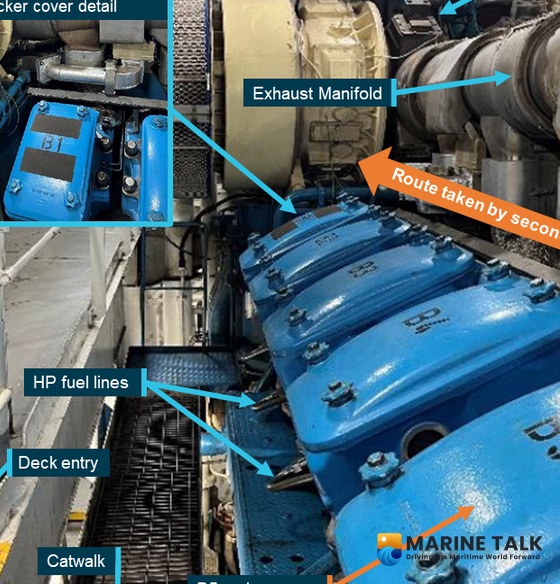
A final report released by the Australian Transport Safety Bureau (ATSB) attributed the engineer’s severe injuries directly to the ineffective implementation of the ship’s safety management system procedures. This finding underscores the importance of strict adherence to established safety protocols in maritime operations.
The Incident Unfolds
An engineer on the Spirit of Tasmania I sustained serious injuries from a fall during engine maintenance. An ATSB report found this was due to ineffective implementation of safety management procedures, highlighting the critical importance of strictly adhering to established maritime safety protocols.
Engineer Seriously Injured
The incident occurred while the Spirit of Tasmania I was undergoing essential engine maintenance. During this period, a second engineer fell, resulting in significant injuries. The specific nature of the fall and the exact circumstances surrounding it became a central focus of the ATSB’s inquiry.
Such incidents on commercial vessels raise immediate concerns about workplace safety standards and the protective measures in place for crew members. The severity of the engineer’s injuries emphasized the potential dangers inherent in maintenance tasks without proper procedural safeguards.
Breakdown in Safety Management
Procedural Implementation Failures
The ATSB report pinpointed a failure in the effective implementation of safety management system (SMS) procedures. These systems are fundamental to ensuring a safe working environment on vessels, outlining protocols for various operations, including maintenance.
An SMS typically includes risk assessments, safe work procedures, training requirements, and emergency response plans. When these procedures are not effectively implemented, it suggests a gap between documented safety policies and their practical application by the crew and management.
Consequences of Lapses
The incident on the Spirit of Tasmania I serves as a stark reminder of the potential consequences when safety protocols are not rigorously followed or enforced. Even well-designed safety systems lose their effectiveness if crews do not consistently apply them or if oversight mechanisms fail.
Such lapses can lead to serious accidents, endangering personnel and potentially compromising vessel operations. Ensuring that all crew members understand, follow, and are held accountable for safety procedures is paramount to preventing future incidents.
ATSB’s Findings and Role
Investigative Authority
The Australian Transport Safety Bureau (ATSB) conducts independent investigations into significant transport accidents and incidents. Its primary objective is to improve safety by identifying contributing factors and issuing safety recommendations, rather than assigning blame.
The bureau’s final report provides a detailed analysis of the event, offering critical insights into how and why the incident occurred. These findings are crucial for maritime operators to review and enhance their safety frameworks.




Leave a Comment