


Panama‘s Supreme Court has delivered a significant ruling. It declared the laws establishing CK Hutchison‘s concession to operate port terminals unconstitutional. This pivotal decision by the court was officially announced late on Thursday, January 29. The ruling marks a major development in the country’s legal and economic landscape.
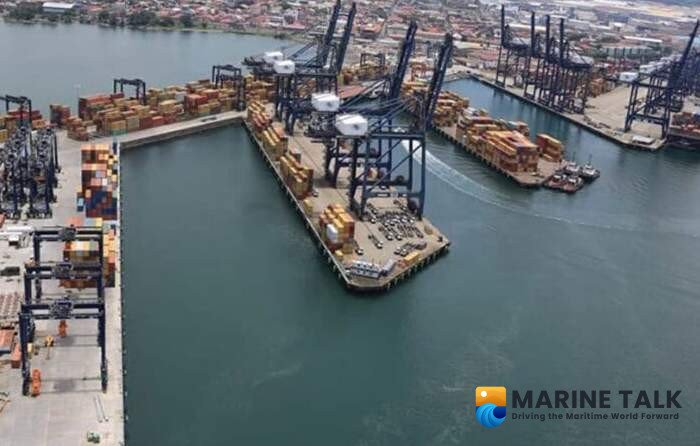
Concessions are agreements that grant private entities the right to operate public services or infrastructure for a defined period. In this instance, the concession allowed CK Hutchison to manage vital port terminals. Such agreements are typically underpinned by specific legislative acts, establishing their legal framework.
The Court’s Landmark Decision
The Supreme Court’s declaration specifically targeted the legislative framework. This framework enabled CK Hutchison to operate its port concessions. The court found these foundational laws to be in violation of constitutional principles. Consequently, the concession’s legal basis is now deemed invalid. This significant announcement followed a period of judicial review, underscoring the judiciary’s power in Panama.
Panama's Supreme Court declared laws establishing CK Hutchison's port terminal concession unconstitutional. Announced January 29, this ruling invalidates the legal basis for their operations, creating a void in port management. It sets a major precedent for constitutional compliance in all future governmental agreements, impacting Panama's legal and economic landscape.
Implications for Port Operations
CK Hutchison operates key port terminals within Panama. The court’s ruling directly impacts the legal foundation for these ongoing operations. While the immediate operational consequences remain to be fully detailed, the decision fundamentally challenges the long-standing agreement. It creates a legal void regarding the port management arrangements.
Broader Legal and Economic Landscape
This judgment from Panama’s highest court holds considerable weight. It underscores the judiciary’s role in overseeing major economic agreements and infrastructure projects. The decision could prompt a reevaluation of other similar concessions across the country. It also highlights the critical importance of constitutional compliance in future large-scale ventures and existing public-private partnerships.
The ruling sets a significant precedent. It emphasizes adherence to the constitution for all governmental agreements. Stakeholders will now closely watch for further developments regarding the future of these port terminals and Panama’s approach to such concessions.




Leave a Comment